
Casino transparency plays a significant role in shaping the overall experience of players, impacting both their enjoyment and trust. When a casino operates with clear, open, and honest practices, it enhances the confidence of its patrons, making them feel secure and respected. Transparency in casinos is not merely about regulatory compliance; it is about creating an environment where players can understand the mechanics, rules, and outcomes of games without confusion or doubt. This clarity fosters a sense of fairness and reliability, which is essential for long-term engagement. Players who perceive a casino as transparent are more likely to return, as the trust established through openness outweighs temporary frustrations or losses.
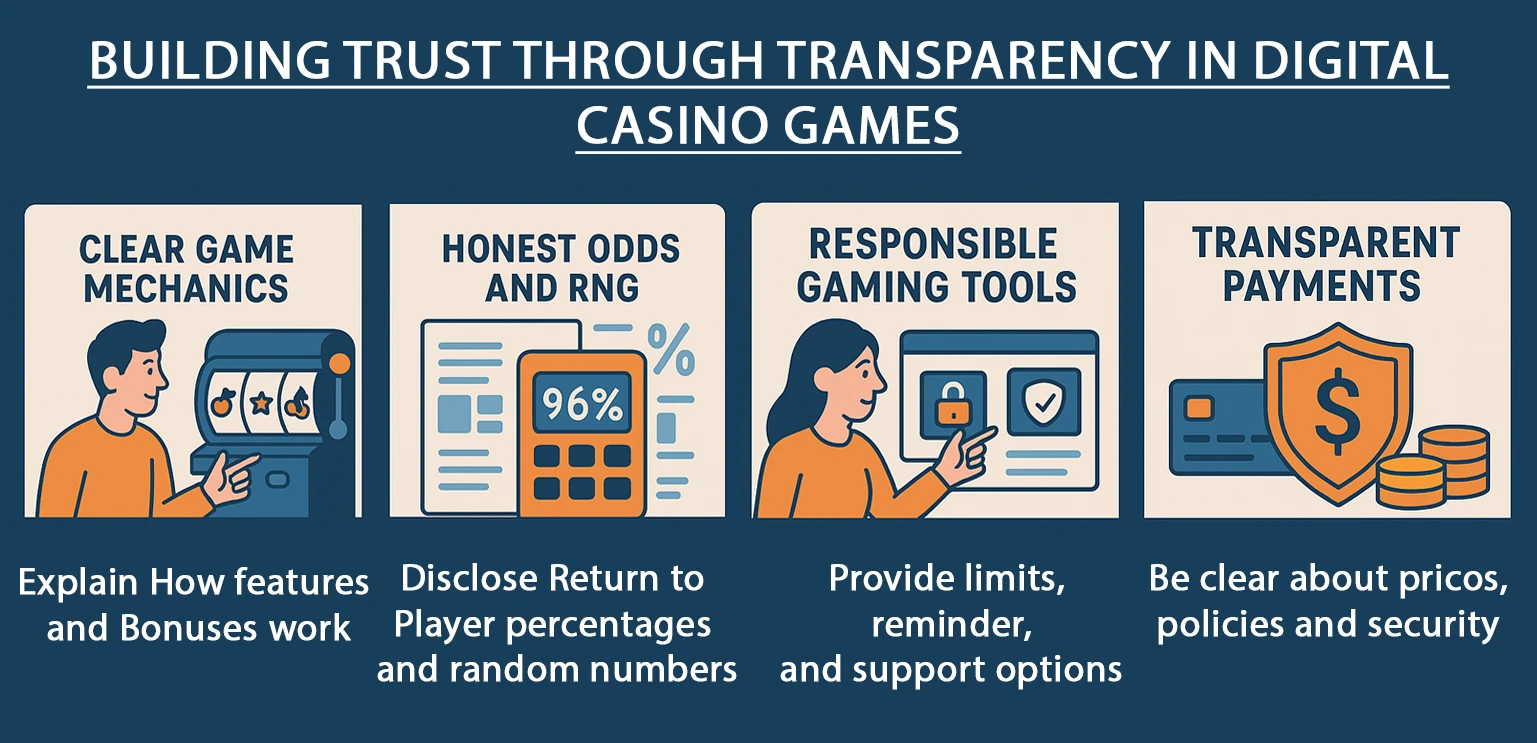
One key aspect of transparency in casinos is the disclosure of game odds and payout percentages. When players are informed about the likelihood of winning and losing, they can make decisions based on knowledge rather than assumptions. This not only prevents misunderstandings but also promotes responsible gaming, as players can set expectations in line with realistic probabilities. Transparency about odds reassures players that the outcomes are governed by random, unbiased processes rather than hidden manipulation. In modern digital and online casinos, this often involves providing access to return-to-player (RTP) statistics or certified random number generator (RNG) audits, ensuring that every spin, roll, or draw is fair. Such practices strengthen players’ confidence, reducing anxiety and enhancing the enjoyment derived from the game.
Beyond technical fairness, transparency also applies to operational practices and financial policies. Clear communication about deposits, withdrawals, fees, and bonus conditions allows players to engage without fear of hidden charges or complicated restrictions. Players are more likely to feel comfortable spending time and money in an environment where they understand the rules governing their funds. A transparent loyalty program, for example, builds trust by showing exactly how points are earned and redeemed. This clarity fosters loyalty, as players recognize the casino as a reliable and ethical establishment. By minimizing ambiguity, casinos can create an atmosphere where players focus on entertainment rather than constantly questioning procedures or worrying about unfair practices.
Transparency also extends to the behavior and conduct of staff, both online and in physical settings. When employees are trained to communicate openly and honestly with patrons, it reinforces the sense of fairness. This can include answering questions about game mechanics, explaining bonus terms, or resolving disputes in a forthright manner. Players who feel heard and understood are more likely to enjoy their experience, as interactions are predictable and respectful. Conversely, a lack of transparency in communication can lead to frustration, distrust, and even reputational damage. The human element of transparency complements technical measures, creating a holistic experience where trust permeates every aspect of the casino environment.
Another dimension of transparency is the visible demonstration of regulatory compliance. Licensed casinos that prominently display their certifications, auditing reports, and regulatory affiliations provide reassurance to players that their activities are monitored and governed by recognized authorities. Such visibility reduces skepticism and fosters a perception of legitimacy. When players see that a casino adheres to strict guidelines and undergoes regular audits, it reinforces the notion that the outcomes they experience are genuine. This perception of fairness encourages players to engage more confidently, contributing to an overall positive experience. In online casinos, transparency about licensing and regulatory oversight can be a decisive factor in whether a player chooses to participate, as it mitigates concerns about fraud or malpractice.
Transparency also contributes to player empowerment, enabling individuals to make informed choices about their gaming behavior. For instance, when responsible gaming tools and self-exclusion options are clearly explained and accessible, players can better manage their playtime and spending. Transparent messaging about the risks associated with gambling allows players to approach gaming with awareness rather than impulse. By providing information openly, casinos cultivate an environment where players retain control, reducing anxiety and enhancing enjoyment. Empowered players are more likely to develop healthy gaming habits and maintain long-term engagement, benefiting both the player and the establishment.
In addition, transparency in promotional offers and marketing materials has a profound impact on experience. When bonuses, free spins, or special events are communicated clearly with no hidden conditions, players can make informed decisions about participation. Misleading promotions often lead to disappointment and resentment, whereas honest communication fosters a sense of respect and credibility. Players feel valued when they know exactly what to expect, which enhances satisfaction and encourages continued participation. Over time, the consistency of transparent practices becomes a distinguishing feature of a casino, reinforcing its reputation as trustworthy and player-oriented.
Transparency also influences social interactions within the casino environment. In live or online communities, players often share experiences and strategies. Open policies and clear information allow these interactions to be constructive rather than speculative. When players trust the platform and its practices, they are more likely to engage with others positively, share insights, and participate in communal aspects of the gaming experience. This social dimension enhances the overall enjoyment, as a transparent environment encourages collaboration, discussion, and shared learning rather than suspicion or confusion.
Ultimately, transparency in casinos transforms the player experience by fostering trust, understanding, and empowerment. It creates an environment where players can enjoy games with confidence, make informed choices, and engage in social interactions without doubt. From the disclosure of odds and operational policies to the demonstration of regulatory compliance and honest communication, every transparent action contributes to a more satisfying and sustainable gaming experience. Casinos that prioritize openness not only protect their reputation but also build lasting relationships with their patrons, resulting in increased loyalty, satisfaction, and long-term engagement. In a world where gaming experiences are increasingly competitive, transparency has become a defining factor that distinguishes reputable, player-focused casinos from the rest. By embracing openness, casinos can ensure that their patrons enjoy not just the thrill of the game but also the assurance that their participation is fair, respected, and valued.
Transparency ultimately bridges the gap between player expectations and actual experience, creating an environment where enjoyment and trust coexist. Players are able to immerse themselves in games, secure in the knowledge that fairness governs every outcome and that they are fully informed at every stage. This alignment between clarity and experience maximizes satisfaction, reduces stress, and reinforces the perception of casinos as ethical and entertaining destinations. The emphasis on openness and honesty ensures that players remain engaged not just for the thrill of winning but for the reassurance that they are participating in a fair and well-regulated environment.




Leave a Reply