
Casinos operate in a highly regulated environment where fairness is not only a matter of ethics but also a legal requirement. Behind the bright lights and the clinking of chips, there are intricate systems designed to ensure that games run as intended and that every player has a legitimate chance of winning according to the rules of the game. This fairness extends across all aspects of casino operations, from the design of slot machines to the handling of card games and digital platforms. Understanding how these systems maintain fairness can shed light on the complex balance between randomness, regulation, and player trust.
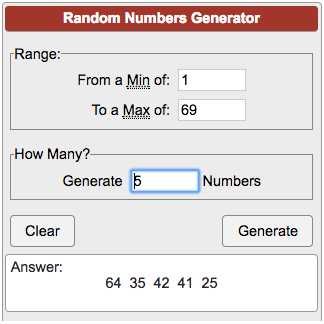
At the heart of fairness in casino games is the concept of randomness. Randomness is the principle that outcomes of games cannot be predicted or influenced by external factors once the game begins. In slot machines, for instance, this randomness is governed by a Random Number Generator (RNG). The RNG is a software algorithm that continuously generates sequences of numbers, each corresponding to a possible outcome on the reels. When a player presses the spin button, the machine selects a number from the RNG sequence to determine the result. The key to fairness is that this process is entirely unpredictable and cannot be manipulated by the casino or the player. Independent testing agencies regularly audit RNG systems to confirm that the numbers generated truly simulate random outcomes, ensuring that each spin has an equal probability of success.
Card games, on the other hand, require a different approach to fairness. Traditional table games like blackjack and poker rely on physical decks, and fairness is maintained through strict dealing procedures and monitoring. Dealers are trained to shuffle thoroughly, often using multiple shuffles and cut procedures to prevent predictable card sequences. Many casinos use automatic shuffling machines, which add a mechanical layer of randomness that is difficult for players or dealers to influence. Additionally, surveillance systems monitor tables continuously to detect any unusual behavior or potential cheating. In some cases, casinos implement software that tracks statistical patterns in player behavior, flagging anomalies that could indicate collusion or other unfair practices.
Fairness in casino operations also depends heavily on regulatory oversight. Licensing authorities impose strict rules regarding payout percentages, operating procedures, and auditing requirements. For example, gaming commissions may require that slot machines operate within a predetermined Return to Player (RTP) range, ensuring that over time, a defined percentage of all wagers is returned to players as winnings. These regulations are enforced through regular inspections, software audits, and certifications from independent testing laboratories. Casinos that fail to comply risk penalties, including fines or loss of license, which creates a strong incentive to maintain transparent and fair operations.
Beyond technology and regulation, fairness in casinos is reinforced by internal policies and staff accountability. Employees are trained extensively on ethical practices, game rules, and security protocols. Surveillance teams, pit bosses, and floor managers work together to monitor gameplay and prevent irregularities. Internal audits track financial flows, game outcomes, and employee conduct to detect discrepancies before they can affect the fairness of operations. Modern casinos increasingly use analytics to assess patterns in both player behavior and game results, enabling proactive adjustments that safeguard against potential unfairness.
Online and digital casinos add another layer of complexity to fairness. Unlike physical casinos, where chips and cards are tangible, digital platforms rely entirely on software to emulate the casino experience. Here, fairness is assured through rigorous software certification, often by third-party agencies. These agencies test the RNG algorithms, verify payout percentages, and simulate thousands of game rounds to ensure that outcomes match statistical expectations. Blockchain technology is sometimes employed to enhance transparency, as it allows players to independently verify transactions and outcomes without needing to trust the platform blindly.
Another important aspect of fairness is responsible game design. Casinos are aware that perceived fairness is as important as actual fairness. Games are designed with clear rules, transparent payout structures, and accessible information so that players can make informed decisions. User interfaces in digital platforms often display RTP percentages, odds, and other relevant data. In physical casinos, printed information, signage, and staff explanations ensure that players understand how games function. Transparency reduces disputes, increases trust, and contributes to the perception of fairness.
Promotional systems and loyalty programs also follow strict fairness guidelines. Bonuses, free spins, and reward points are awarded according to clear terms and conditions. Systems are designed to prevent exploitation or preferential treatment, ensuring that all eligible players receive rewards according to established rules. Monitoring tools track usage patterns to identify any potential abuse, reinforcing fairness across all aspects of the casino experience.
Even the casino environment itself plays a role in maintaining fairness. Noise, lighting, and layout are carefully designed to support focused play rather than manipulate behavior unfairly. While casinos aim to create a stimulating and enjoyable environment, ethical design principles avoid misleading players about odds or outcomes. This ensures that fairness is not only a matter of software and regulations but also an aspect of the overall experience.
Ultimately, fairness in casinos is a multi-layered system involving technology, human oversight, regulation, and transparency. Random number generators, thorough shuffling techniques, monitoring systems, regulatory compliance, internal auditing, software certification, and ethical game design all work in tandem to ensure that outcomes are unpredictable and consistent with game rules. For players, this means confidence that the games are not rigged, that every wager has a fair chance of success, and that the integrity of their experience is protected. Casinos maintain this balance carefully because their reputation and legal standing depend on it, proving that fairness is not an abstract ideal but a practical, enforceable reality in modern gaming operations.
By integrating advanced technology, regulatory oversight, and transparent practices, casinos demonstrate that fairness is not only achievable but essential. Players can trust that the games they engage with are equitable, while operators can maintain integrity and compliance. This dual commitment to randomness, transparency, and ethical design ensures that both enjoyment and fairness coexist, reinforcing the enduring appeal and credibility of casino gaming across physical and digital landscapes.




Leave a Reply