
Casinos operate in a highly regulated environment, and fairness is one of the most critical aspects of their operations. Maintaining a fair system is essential not only for compliance with laws but also to sustain trust and repeat business among players. At the core of fair gaming is the concept of randomness. Games like slot machines, roulette, and digital card games rely on random outcomes to ensure that no player can predict or manipulate results. Random number generators (RNGs) are employed to generate sequences that mimic true randomness, and these systems are rigorously tested and certified by independent auditing agencies. RNGs are designed to produce results that are statistically unbiased over time, ensuring that each spin, deal, or roll is independent of previous outcomes.
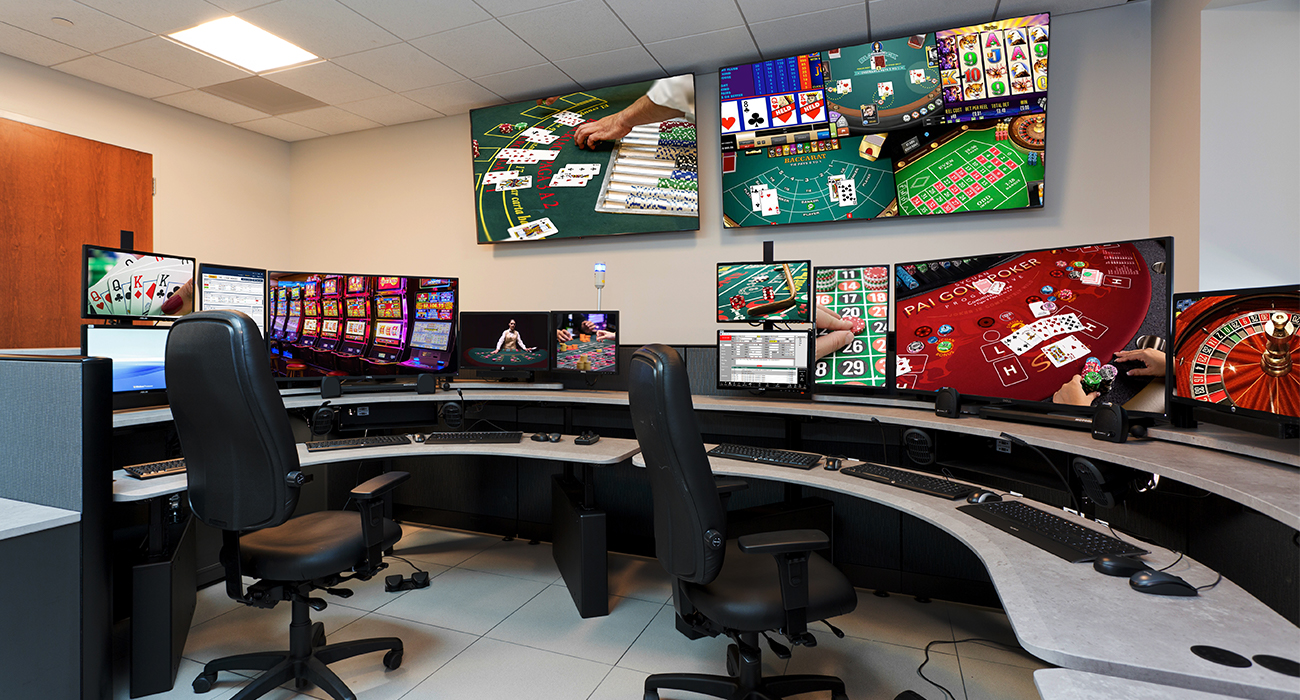
Beyond RNGs, casinos implement strict operational procedures. Dealers, pit bosses, and floor staff follow protocols that minimize human error and prevent intentional manipulation of game results. Surveillance systems are pervasive in modern casinos, monitoring both players and employees to detect irregularities or suspicious behavior. These measures help ensure that all games are conducted according to predetermined rules and that any deviation from fairness can be quickly identified and addressed.
In addition to physical oversight, regulatory compliance plays a major role. Licensing authorities and regulatory boards establish standards that casinos must meet to operate legally. These standards often include mandatory game testing, regular reporting of financial and operational data, and periodic audits. By adhering to these regulations, casinos create an environment in which players can be confident that they are engaging in games with known odds and transparent rules. Regulatory oversight also means that any disputes or complaints from players are handled systematically, further reinforcing the integrity of the system.
Transparency is another cornerstone of fair play. Casinos disclose the rules and odds of each game, ensuring that players understand how the games operate and what outcomes are possible. In digital or online environments, detailed payout percentages and return-to-player (RTP) information are made available, allowing players to make informed decisions. Even when games involve chance, providing clarity about probabilities and payout structures helps build player trust and demonstrates that the casino is committed to fairness rather than manipulation.
Technology also plays a crucial role in maintaining fairness. In addition to RNGs, modern casinos use sophisticated software to track patterns and detect anomalies in gameplay. This can prevent collusion among players or between players and staff, safeguard against cheating devices, and ensure that digital games function according to their designed algorithms. Cybersecurity measures are layered into online systems to prevent tampering or unauthorized access that could compromise the integrity of outcomes.
Education of staff and players further supports fair systems. Employees receive ongoing training in ethical conduct, regulatory compliance, and procedural accuracy. They are taught how to handle disputes, recognize irregular behavior, and apply corrective measures without bias. Players, meanwhile, are educated through rules, tutorials, and guidance on responsible play, which helps prevent misunderstandings about fairness. When both employees and patrons are informed, the gaming environment becomes more transparent and trustworthy.
Auditing and testing by independent third parties is a critical component as well. Casinos often engage specialized agencies to review RNG algorithms, table procedures, and software code. These audits verify that games operate as intended and adhere to legal standards. Independent verification serves as an objective measure that fairness is maintained, providing assurance to both regulators and players. Regular audits also encourage continuous improvement, as casinos adjust systems and procedures based on findings to enhance reliability and fairness.
In addition to systems and procedures, culture within the casino matters. A culture that emphasizes integrity, accountability, and compliance reinforces the mechanisms designed to maintain fairness. Employees are more likely to act ethically when management prioritizes transparency and adherence to rules. This culture extends to player interactions, where consistent enforcement of policies, impartial dispute resolution, and visible security measures create a sense of trust. Casinos that foster a strong ethical culture often enjoy higher reputations, repeat patronage, and fewer regulatory issues.
Casinos also balance randomness with structured odds. While games are designed to favor the house in the long term, the distribution of wins and losses follows predictable probabilities. This balance ensures that players experience fair chances of winning while the casino remains financially viable. By designing games with statistically sound odds, casinos can offer excitement and potential rewards without compromising fairness. This careful calibration is especially evident in slot machines and digital games, where payout percentages are mathematically determined to maintain both fairness and profitability.
Player protection programs are another aspect of fair systems. Responsible gaming initiatives help prevent compulsive behavior and gambling harm. By setting limits on deposits, wagers, and session durations, casinos safeguard players while maintaining fair access to games. This reinforces the principle that fairness is not just about random outcomes but also about creating an environment where players can participate safely and knowingly.
Continuous monitoring is essential to detect emerging threats to fairness. Casinos analyze data in real-time to identify patterns that might indicate cheating, technical errors, or operational anomalies. This proactive approach ensures that corrective action can be taken before significant harm occurs. Combining technology, human oversight, and regulatory requirements allows casinos to maintain a dynamic system in which fairness is continually assessed and reinforced.
Ultimately, the maintenance of fair systems in casinos is a multifaceted effort. It integrates randomness through RNGs, strict operational protocols, regulatory compliance, transparency, technology, education, independent audits, cultural integrity, probabilistic game design, player protection programs, and real-time monitoring. Each element reinforces the others, creating a comprehensive framework that upholds the integrity of games, ensures equitable outcomes, and fosters player confidence. By embedding fairness into every aspect of their operations, casinos create a reliable, trustworthy, and sustainable environment that benefits both players and the business itself.



Leave a Reply