
Casino platforms operate in a dynamic and fast-paced environment, requiring a foundation of stability that ensures seamless gameplay, security, and user satisfaction. At its core, platform stability refers to the system’s ability to maintain consistent performance without unexpected interruptions, errors, or downtime. For both players and operators, this stability forms the backbone of trust, as a single glitch or server failure can disrupt games, compromise transactions, and ultimately affect the reputation of the casino.
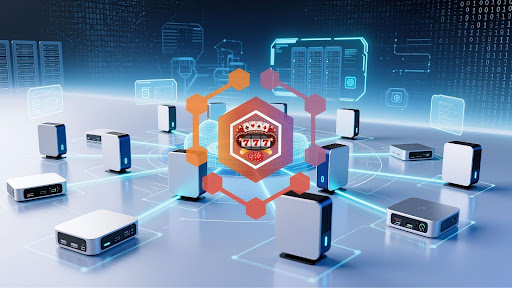
A key element of stability is the underlying software architecture. Modern casino platforms are built on scalable frameworks capable of handling large volumes of concurrent users. This involves distributed systems, cloud computing solutions, and redundant servers that provide failover mechanisms in case of hardware or network failures. By distributing workload across multiple servers and data centers, the platform minimizes the risk of a single point of failure. For example, if one server experiences high traffic or a technical issue, another can seamlessly take over, allowing gameplay to continue without disruption.
Equally important is database management. Casinos handle massive amounts of transactional data, including player accounts, game history, and payment records. A stable platform relies on robust databases that ensure data integrity, quick retrieval, and secure storage. High-performance database systems employ replication strategies, where multiple copies of data exist across servers to prevent loss. Real-time synchronization guarantees that all transactions are accurately recorded and accessible, preventing inconsistencies that could frustrate players or lead to disputes.
Network reliability is another cornerstone. Casino platforms must operate with minimal latency and high bandwidth to ensure that live games, slot sessions, and interactive features function smoothly. Even minor network delays can result in skipped frames in live streams, slow interface response, or delayed betting outcomes. To mitigate these issues, operators often implement content delivery networks (CDNs), regional servers, and redundant internet connections. These measures ensure that users from different geographic locations experience consistent performance and fast load times.
Security intertwines closely with stability. A secure platform is inherently more stable because it prevents unauthorized access, hacking, and data breaches that could destabilize operations. Encryption protocols, secure authentication methods, and regular vulnerability testing safeguard both the system and its users. Additionally, protection against Distributed Denial of Service (DDoS) attacks is essential, as such attacks can overwhelm servers and cause significant downtime. By integrating advanced security mechanisms, a casino platform can maintain uninterrupted service even under attempted breaches.
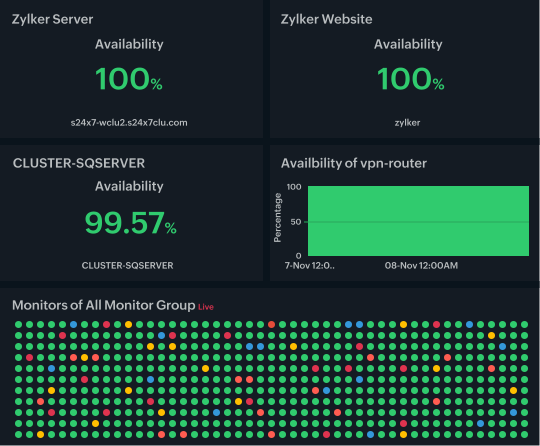
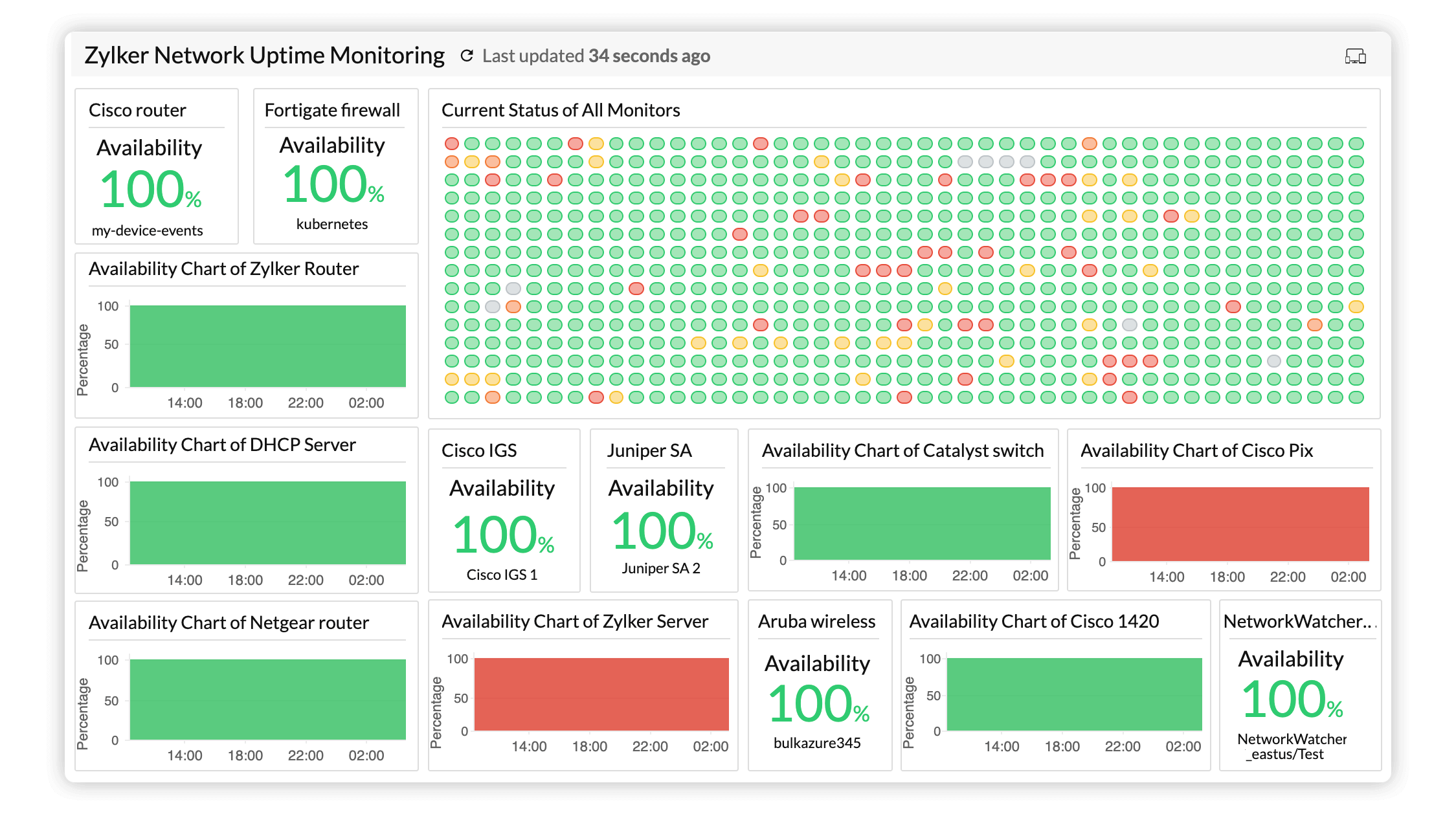
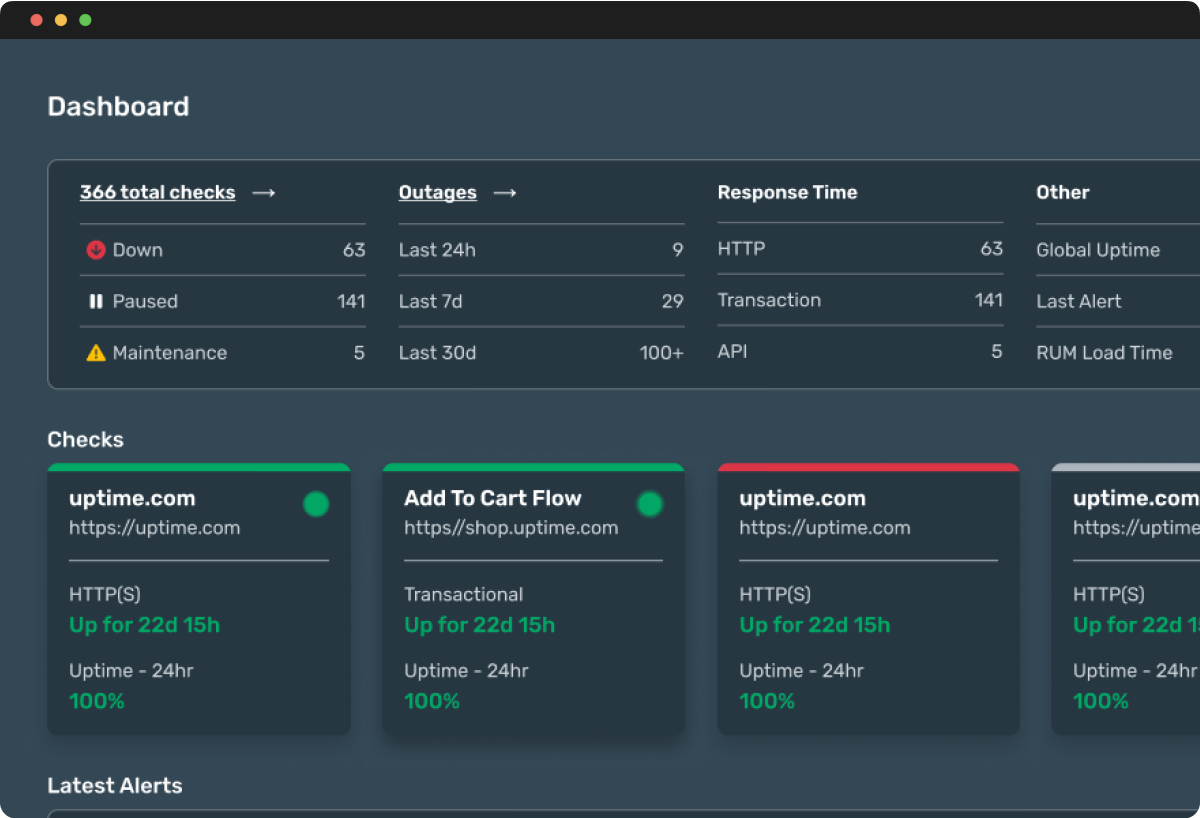
Software updates and maintenance play a dual role in stability. While updates introduce new features, fix bugs, and improve performance, they can also temporarily disrupt service if not managed carefully. A stable platform employs scheduled maintenance windows, rollback options, and testing environments to ensure that updates are deployed smoothly. Continuous monitoring systems track server health, user activity, and error logs, enabling rapid response to anomalies. Proactive maintenance helps identify potential issues before they escalate into failures, thereby maintaining a consistent user experience.
Player experience is directly influenced by platform stability. Gamers expect responsive interfaces, quick loading times, and uninterrupted gameplay. Any instability, such as frozen screens or delayed transactions, can diminish enjoyment and erode trust. Moreover, consistent uptime allows operators to implement loyalty programs, promotional events, and competitive tournaments without risk of interruption. Stability ensures that users can engage fully with the platform, reinforcing brand reputation and encouraging long-term retention.
Financial operations also hinge on stability. Casino platforms process deposits, withdrawals, and in-game currency transactions that require absolute accuracy. Instability in financial processing can lead to errors in account balances, delayed payments, or failed payouts, which not only frustrate users but can result in regulatory penalties. By implementing redundant systems, automated reconciliation tools, and secure payment gateways, platforms maintain reliability in all financial operations. Accurate and timely processing builds confidence among players and strengthens regulatory compliance.
Scalability is a critical aspect of maintaining stability as platforms grow. Seasonal peaks, popular game releases, and promotional campaigns can significantly increase traffic. A stable platform is designed to accommodate these spikes without performance degradation. Dynamic resource allocation, load balancing, and elastic cloud infrastructure allow casinos to scale up during high-demand periods and scale down during quieter times. This adaptability prevents slowdowns and service interruptions, preserving a smooth experience for all users.
Integration with third-party services further tests platform stability. Casinos often partner with game providers, payment processors, and analytics tools to enhance offerings. Each integration introduces potential points of failure, making rigorous testing, monitoring, and fail-safe mechanisms essential. Ensuring compatibility and robust communication protocols prevents external services from causing disruptions within the primary platform.
Ultimately, platform stability is a continuous process rather than a one-time achievement. It requires ongoing monitoring, technological upgrades, security enhancements, and user feedback analysis. Operators must anticipate emerging challenges, such as evolving cyber threats, increasing user expectations, and new regulatory requirements. By prioritizing reliability at every layer—from infrastructure to user interface—casino platforms can deliver a seamless, secure, and enjoyable experience. Stability is not merely a technical goal but a strategic advantage that fosters trust, encourages engagement, and ensures sustainable growth in a highly competitive industry.
A stable casino platform, therefore, represents the intersection of engineering precision, operational diligence, and user-centric design. It ensures that games run as intended, transactions are secure, and players feel confident engaging with the system. In the complex ecosystem of online gaming, stability is the invisible thread that weaves together enjoyment, fairness, and operational excellence, creating an environment where both players and operators can thrive without interruption.



Leave a Reply