
A casino’s user experience is more than just flashy lights and enticing sounds; it is a carefully constructed environment that directly influences how comfortable and engaged players feel. Every element, from the layout of the floor to the arrangement of slot machines and tables, plays a role in shaping a player’s perception of the space and their willingness to spend time and money. Comfort in a casino is multidimensional, encompassing physical, cognitive, and emotional aspects, all of which are orchestrated through design and user experience (UX) strategies.
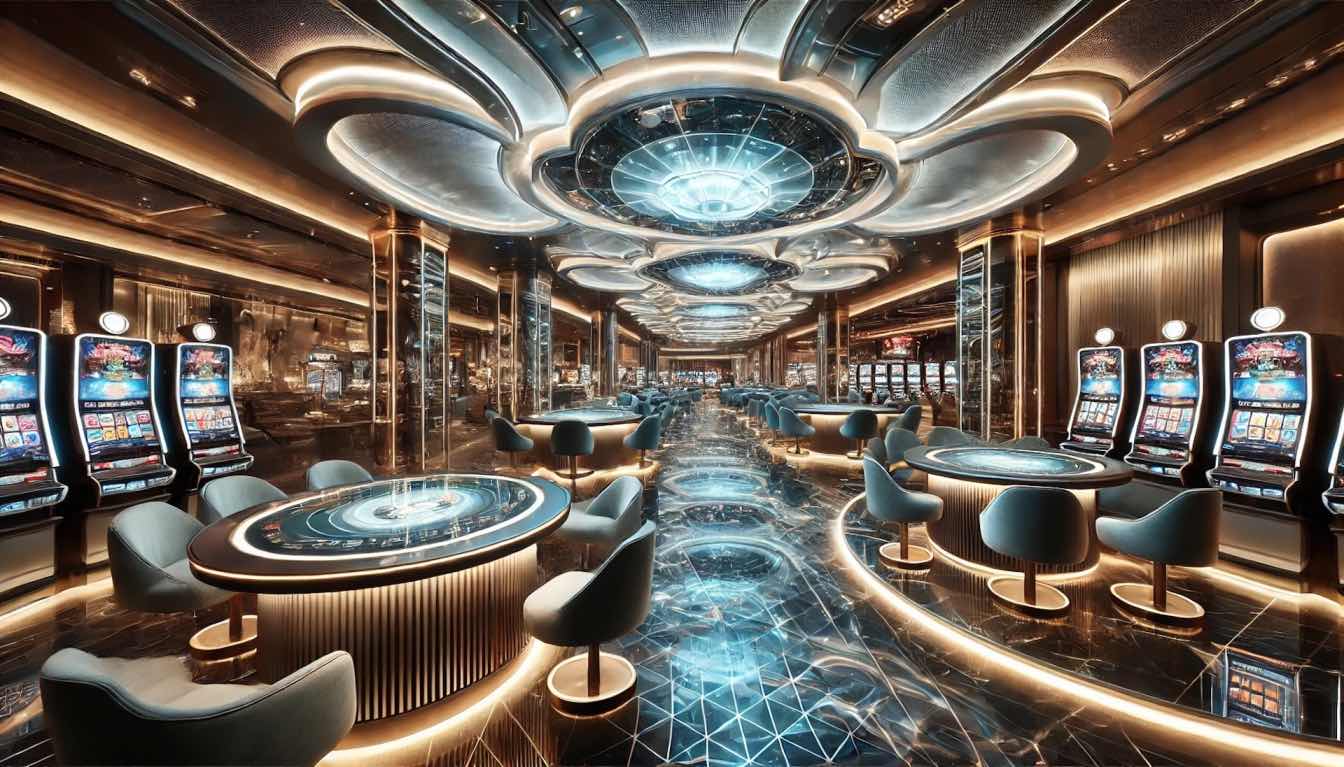
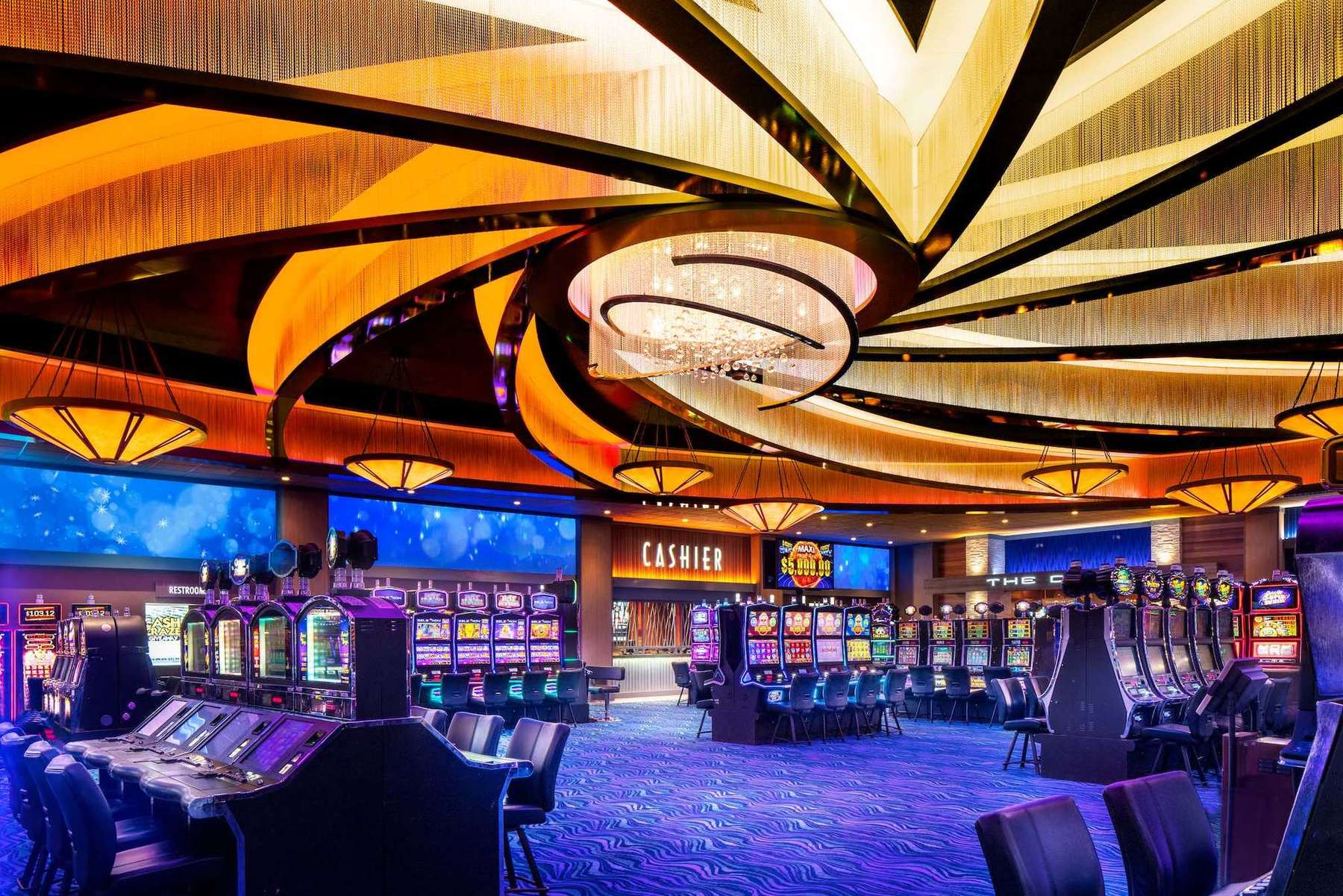
Physical comfort begins with the spatial layout and ergonomics of gaming areas. Wide aisles, strategically placed seating, and adjustable chairs create a sense of freedom and ease, reducing fatigue during extended play sessions. Lighting is carefully calibrated—not too bright to create discomfort, yet not too dim to cause eyestrain—guiding attention while maintaining a relaxing atmosphere. Temperature control and air quality are equally important; a stuffy or overly cold environment can distract players, while a well-regulated climate encourages longer stays. Subtle acoustic design ensures that ambient noise is pleasant rather than overwhelming, allowing players to focus on games without unnecessary auditory stress.
Cognitive comfort is achieved through intuitive navigation and clear signage. Casinos often employ layout strategies that balance exploration and familiarity, creating a mental map that is easy to understand. Slot machines and table games are grouped in predictable zones, allowing players to find their preferred games quickly. Wayfinding cues, color-coded areas, and consistent design language help reduce cognitive load, ensuring that players spend their mental energy on gameplay rather than trying to understand the environment. Smooth transitions between spaces, such as from a bustling slot area to a quieter lounge, enhance cognitive ease, allowing players to relax without feeling disoriented.
Emotional comfort is equally critical and is largely influenced by visual and auditory stimuli. Casinos use color psychology to create moods conducive to engagement and satisfaction. Warm colors can evoke excitement and energy, while cooler tones promote relaxation during downtime. Visual clutter is minimized to prevent overstimulation, and design elements often subtly guide attention toward game areas and reward zones. Music and sound effects are layered thoughtfully; high-tempo sounds may accompany winning moments, generating positive emotional reinforcement, while softer background music maintains a calm base level of arousal. These sensory cues create an emotional rhythm that supports sustained engagement without inducing stress or fatigue.
The concept of flow is central to understanding how UX shapes player comfort. Flow refers to a state of deep immersion in an activity, where players lose track of time and feel fully engaged. In casinos, designers encourage flow by minimizing interruptions and distractions. Payment stations, food services, and restrooms are positioned for convenience, reducing the friction of essential breaks. Game interfaces are designed to be intuitive, with controls and payout information presented clearly, allowing players to focus on decision-making and enjoyment rather than deciphering rules. Reward feedback, such as lights and sounds, is immediate and gratifying, reinforcing positive behaviors and maintaining momentum.
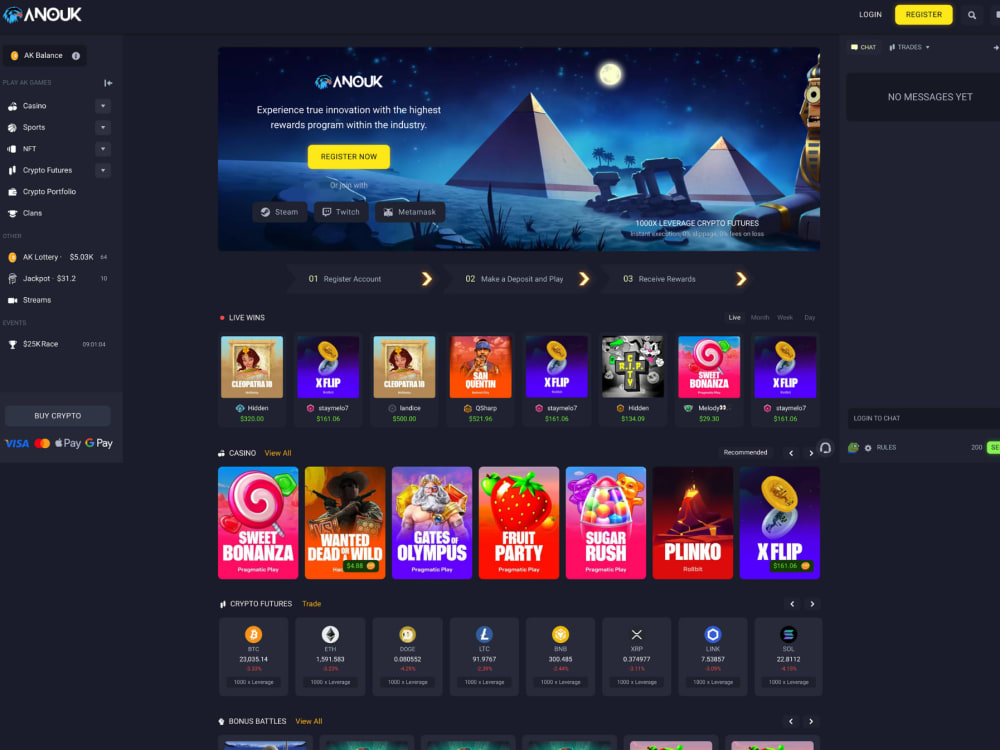
Technology plays a pivotal role in enhancing UX and player comfort. Digital signage, touchscreens, and mobile integration offer personalized experiences, guiding players to games suited to their preferences. Casinos increasingly use data-driven insights to tailor environments, adjusting lighting, music, and game availability in real time to match patterns of engagement. For example, a section with frequent winners may be subtly highlighted to encourage others, while quieter areas might be enhanced with interactive displays to draw attention. The seamless integration of technology reduces friction and enhances the feeling of agency, allowing players to navigate and engage effortlessly.
Accessibility is another dimension of comfort often overlooked. Inclusive design ensures that players of all abilities can navigate spaces and enjoy games without obstacles. Ramps, wide pathways, clear visual contrasts, and assistive devices contribute to a welcoming environment for everyone. By addressing diverse needs, casinos enhance overall comfort, signaling that all players are valued and respected.
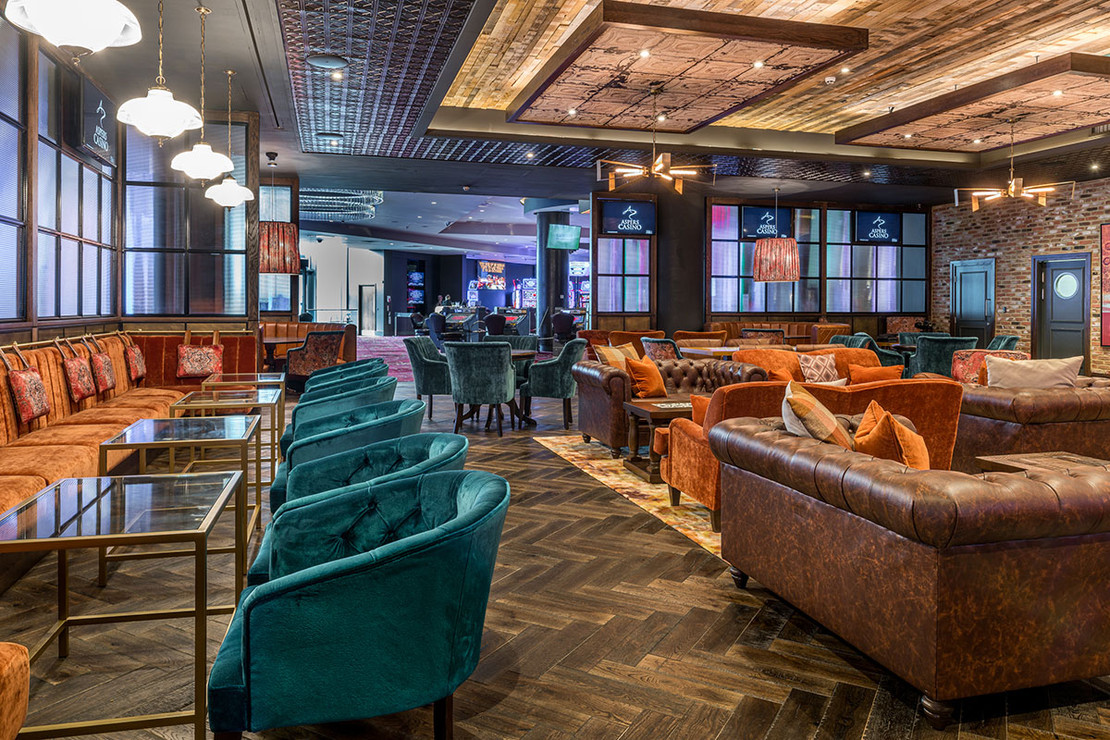
The social dimension of comfort is shaped by both layout and service design. Seating arrangements encourage interaction without forcing it, while private areas allow for moments of solitude. Staff behavior and training play a complementary role; approachable, attentive personnel contribute to a sense of safety and ease. Queues and crowd flow are managed to reduce stress, ensuring that waiting does not become a source of discomfort.
Finally, comfort in casinos is reinforced by transparency and clarity of information. Players are reassured when game rules, odds, and payout structures are presented in an understandable manner. UX design that supports trust reduces anxiety, allowing players to immerse themselves fully in the experience. A consistent visual and behavioral language across machines and tables builds predictability, which in turn fosters confidence and satisfaction.
In essence, a casino’s UX is a multidimensional strategy that carefully orchestrates environment, technology, social interaction, and cognitive cues to create comfort. When executed effectively, players feel physically at ease, cognitively clear, and emotionally engaged, which encourages longer play, repeated visits, and overall satisfaction. Comfort is not a passive byproduct but an intentional design goal that underpins the entire casino experience, shaping how players perceive the space, interact with games, and ultimately enjoy their time. By focusing on comfort through UX, casinos craft an experience that is immersive, engaging, and enjoyable, balancing stimulation with relaxation to optimize both player well-being and operational success.





Leave a Reply