
Transparency in casinos is more than just a regulatory requirement; it is a cornerstone for building trust and a solid reputation among players. A casino that operates openly and honestly signals to its customers that it values fairness, accountability, and long-term relationships over short-term gains. Players are naturally cautious when it comes to gambling, as they are aware of the risks involved, including financial loss and potential manipulation. Therefore, a casino that provides clear information about its operations, game fairness, payout percentages, and security measures immediately differentiates itself from competitors who might obscure these details. Transparency communicates integrity, which in turn encourages players to feel confident in their decision to engage with the casino.
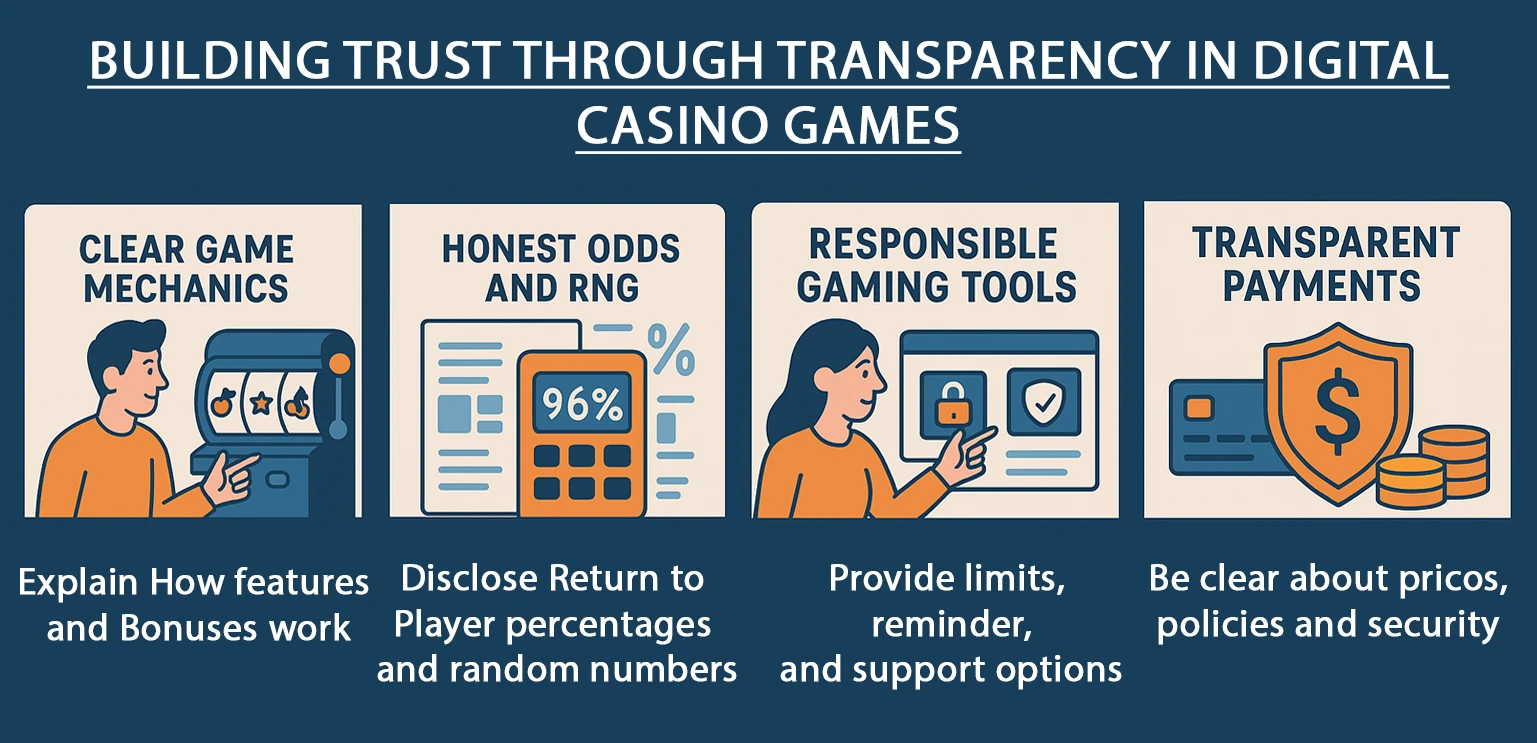
One of the most critical aspects of transparency is the clear presentation of game rules and odds. Casinos that openly provide detailed information on how their games work—whether slot machines, table games, or online poker—allow players to make informed decisions. When players understand the mechanics of a game and the probabilities of winning, they can better manage expectations and gamble responsibly. This sense of clarity reduces frustration, prevents disputes, and fosters a sense of fairness. Players are more likely to return to a casino that treats them with respect by providing honest and accurate information rather than trying to obscure the odds or hide unfavorable conditions.
Financial transparency also plays a major role in establishing trust. Casinos that are forthcoming about deposit and withdrawal processes, fees, and bonus conditions show that they have nothing to hide. A transparent approach to financial dealings reassures players that their funds are safe and that there are no hidden traps or misleading terms. This not only encourages initial engagement but also builds long-term loyalty. A player who knows exactly what to expect when depositing money or claiming a bonus is far more likely to continue playing at the casino and to recommend it to others. Reputation in the casino industry is strongly tied to consistent, honest financial interactions.
Regulatory compliance is another area where transparency enhances a casino’s reputation. Players are increasingly aware of the importance of licenses and adherence to local and international gambling laws. Casinos that display their licenses prominently and provide access to auditing reports or certificates of fairness are seen as more credible. This visibility reassures players that the games are independently verified and that the casino is committed to ethical practices. Transparency in regulatory compliance demonstrates a commitment to player protection, which can be a deciding factor for users when choosing between multiple platforms.
Customer service transparency also contributes significantly to a casino’s positive image. Clear communication regarding how to resolve disputes, claim winnings, or access support can dramatically improve player satisfaction. When players know that there are reliable and accessible channels for addressing their concerns, they are more likely to feel secure and valued. Casinos that provide transparent customer service policies, including response times, escalation procedures, and refund conditions, cultivate a perception of fairness and respect. In contrast, vague or inaccessible customer support can erode trust and damage the casino’s reputation, regardless of the quality of the games offered.
Technological transparency is increasingly important in the modern gambling landscape, especially for online casinos. Providing information about software providers, random number generator (RNG) testing, encryption standards, and data privacy practices allows players to understand the integrity of the platform. Players want assurance that the games are not rigged and that their personal and financial information is protected. Casinos that openly communicate these technical details reduce skepticism and create a sense of reliability. Transparency in technology not only protects players but also positions the casino as forward-thinking and responsible in its operations.
Promotions and marketing transparency is equally crucial. Many players have encountered misleading advertisements promising unrealistic bonuses or favorable odds. Casinos that clearly outline bonus terms, wagering requirements, and eligibility criteria avoid disappointment and negative reviews. Honest marketing practices show that the casino respects its customers and values trust over short-term allure. Over time, this approach reinforces the perception that the casino is trustworthy and player-centric, which naturally enhances its reputation in a competitive industry.
Transparency also extends to responsible gambling initiatives. Casinos that openly communicate their commitment to problem gambling prevention, including self-exclusion tools, limits on deposits, and access to support organizations, demonstrate social responsibility. Players are more likely to view these casinos positively because they signal care for customer well-being beyond mere profit. Promoting responsible gambling practices openly not only mitigates potential harm but also aligns the casino with ethical standards, which strengthens its reputation among both players and regulators.
Overall, transparency is a multi-faceted strategy that touches every aspect of a casino’s operations—from game rules and financial dealings to technology, marketing, and social responsibility. Casinos that embrace openness and clarity cultivate trust, reduce friction, and foster loyalty among their customers. A strong reputation built on transparency attracts more players, encourages repeat visits, and positions the casino as a leader in ethical and responsible gambling. In an industry where skepticism can run high and competition is intense, transparency is the most reliable tool a casino has to establish credibility, demonstrate integrity, and secure long-term success.
By consistently providing clear, accurate, and accessible information, casinos can turn transparency into a competitive advantage. Players feel confident, respected, and informed, which naturally encourages engagement and advocacy. Word-of-mouth recommendations, positive reviews, and repeat business all stem from a foundation of trust that transparency helps create. In this way, transparency is not just a regulatory or ethical obligation—it is a strategic asset that reinforces reputation, builds loyalty, and ensures the sustainable growth of a casino in a complex and highly competitive market.








Leave a Reply