
Casino technology has transformed the gaming industry in ways that extend far beyond flashy lights and digital screens. At its core, modern casino technology serves multiple purposes: it enhances security, improves player experiences, streamlines operations, and ensures fairness across games. From the moment a guest walks through the doors of a casino, technology quietly supports nearly every aspect of their visit, making the experience smoother and more engaging.
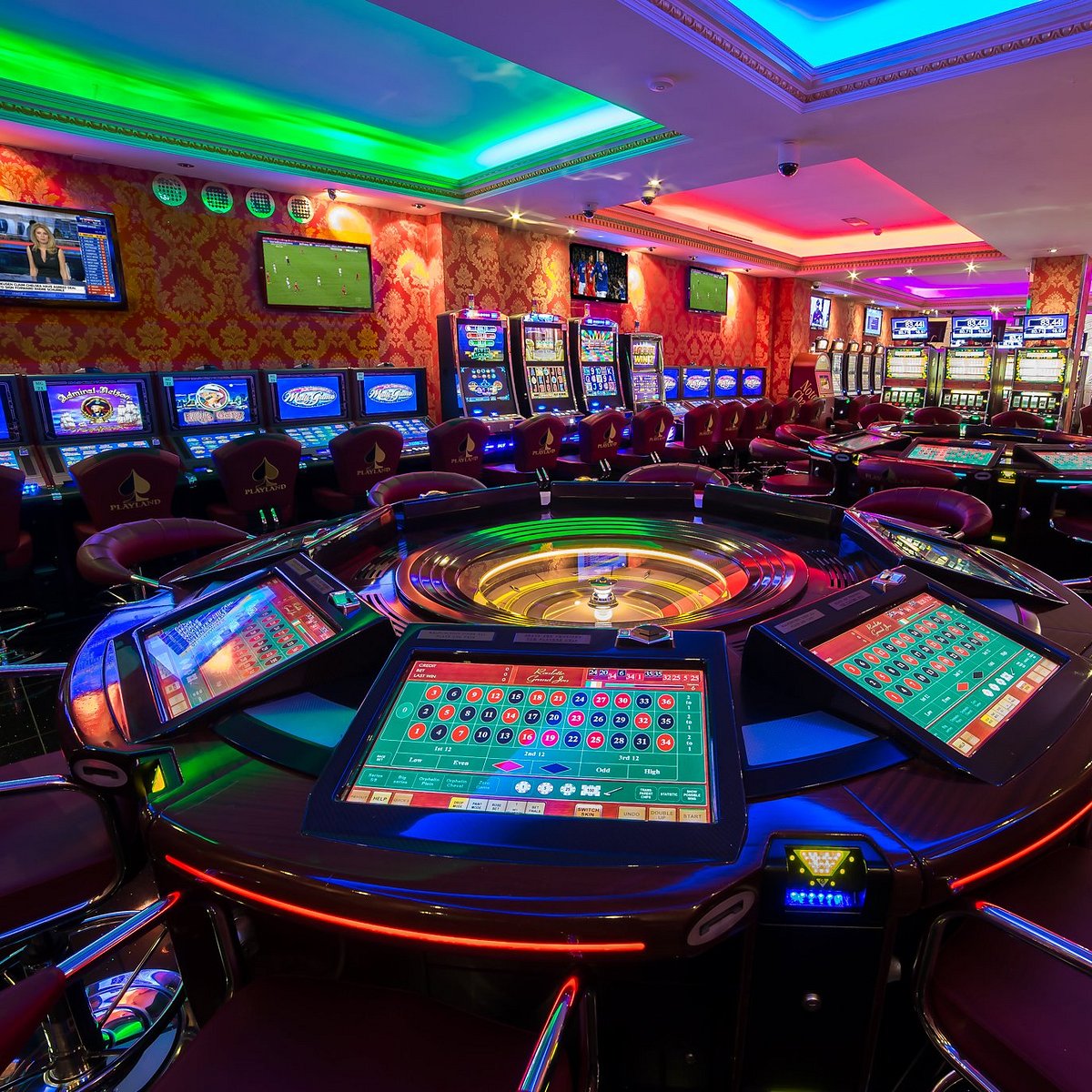
One of the most visible applications of technology in casinos is the gaming machines themselves. Slot machines, once purely mechanical, are now powered by complex computer algorithms. These machines use random number generators (RNGs) to ensure that each spin is entirely unpredictable, which preserves the integrity of the game. Modern slots also incorporate sophisticated graphics, sound effects, and interactive bonus features that make the gaming experience more immersive. Technology allows casinos to monitor machine performance in real time, tracking metrics such as coin-in, payouts, and player behavior. This data is invaluable for understanding player preferences and optimizing game placement to enhance satisfaction and profitability.
Table games also benefit from technological advancements. Automatic shuffling machines speed up play and reduce human error, ensuring a smoother experience for players and dealers alike. Casinos increasingly use electronic betting systems for games like roulette and baccarat, allowing players to place bets quickly while reducing transaction mistakes. Some tables even include sensors that detect chip placement, card orientation, and player activity, providing real-time analytics that can prevent cheating and maintain game integrity.
Beyond gaming itself, casino technology is critical for security and surveillance. Modern casinos employ comprehensive camera systems capable of tracking movement across vast gaming floors. Facial recognition software and behavior analysis tools help identify potential cheaters or suspicious activity. These systems operate continuously, enabling security personnel to respond quickly to any issues while also gathering data that supports long-term operational decisions. Advanced software integrates with access control systems, ensuring that only authorized personnel can enter sensitive areas such as vaults, cash rooms, and high-stakes gaming zones.
The use of technology in loyalty programs and customer engagement has also become increasingly sophisticated. Casinos now track player activity across multiple channels, including slot machines, table games, and online platforms. This data allows for personalized promotions, tailored rewards, and targeted marketing that enhances customer retention. Players receive offers that match their preferences and play styles, which not only improves satisfaction but also encourages responsible play by maintaining a clear record of activity. Mobile apps, digital wallets, and online portals further extend the casino experience beyond the physical premises, making it more convenient for players to engage with the brand and manage their gaming accounts.
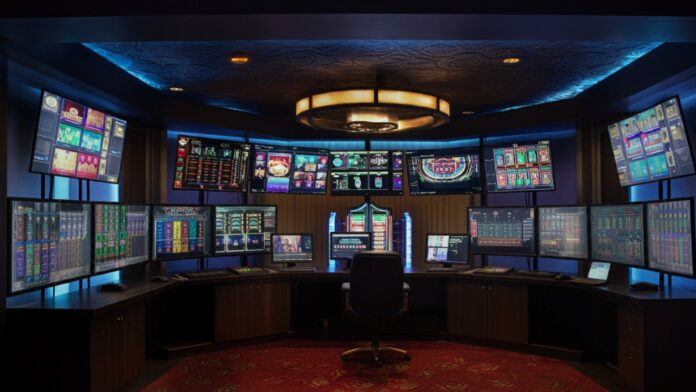
Operational efficiency is another area where technology has made a significant impact. Casino management software integrates multiple systems, from accounting and human resources to inventory and floor operations. Real-time dashboards allow managers to monitor financial performance, track staff efficiency, and adjust staffing levels according to peak demand. Automated reporting reduces administrative burdens and provides insights that support strategic decision-making. Technology also simplifies compliance with regulatory requirements by maintaining accurate records of transactions, machine performance, and player activity. This ensures that casinos operate within legal frameworks and uphold the standards necessary for licensing.
Innovation in casino technology extends into the realm of online and hybrid gaming. Digital platforms replicate the casino environment for players who prefer to engage from home, using secure software to deliver authentic experiences with RNG-based games, live dealer interactions, and real-time chat features. Virtual reality and augmented reality technologies are being explored to create immersive environments that replicate the thrill of walking through a casino floor. These innovations blur the line between physical and digital play, giving players more choices while maintaining the same standards of fairness and security.
Data analytics, powered by artificial intelligence, plays a crucial role in modern casino operations. By analyzing player behavior, machine performance, and market trends, casinos can anticipate demand, optimize game offerings, and improve overall revenue. Predictive algorithms can also identify patterns of risky behavior, helping to implement responsible gaming practices. This combination of operational insight and player protection exemplifies how technology can benefit both the business and its customers.
Even the simple aspects of the casino experience are enhanced through technology. Digital signage, interactive kiosks, and mobile guides provide players with real-time information about events, promotions, and available games. Ticket-in, ticket-out systems allow players to cash out without handling coins or bills, improving convenience and reducing potential errors. Contactless payment methods, driven by NFC and mobile wallets, make transactions seamless and safer, particularly in high-volume areas.
The integration of technology into casino operations has also enabled environmental and energy efficiency improvements. Smart lighting, climate control, and power management systems help reduce operational costs while maintaining a comfortable environment for guests. Monitoring and predictive maintenance systems ensure that equipment functions efficiently, preventing costly downtime and improving safety.
Ultimately, casino technology matters because it elevates every aspect of the experience for both players and operators. It ensures fairness, enhances security, and delivers operational efficiency while enabling creative innovations that make gaming more engaging and enjoyable. Technology empowers casinos to balance entertainment, safety, and profitability, creating an environment where players can feel confident, secure, and fully immersed in the experience. Without these technological advancements, the modern casino as we know it—dynamic, immersive, and meticulously managed—would not exist.


Leave a Reply