
Casino security is a fundamental aspect of modern gaming operations, ensuring that both patrons and the establishment are protected from a wide range of potential risks. From preventing theft and fraud to maintaining a safe and welcoming environment, the role of security in casinos cannot be overstated. Casinos are high-stakes environments where large sums of money and valuable assets are constantly in motion, making them attractive targets for criminal activity. Without a robust security framework, casinos would be vulnerable to everything from petty theft to organized crime, threatening both their financial stability and the trust of their customers.
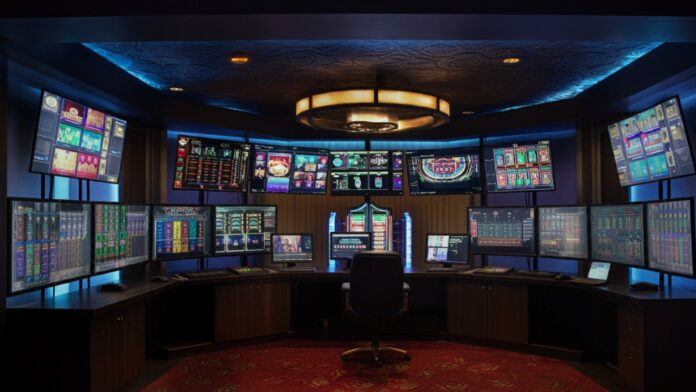
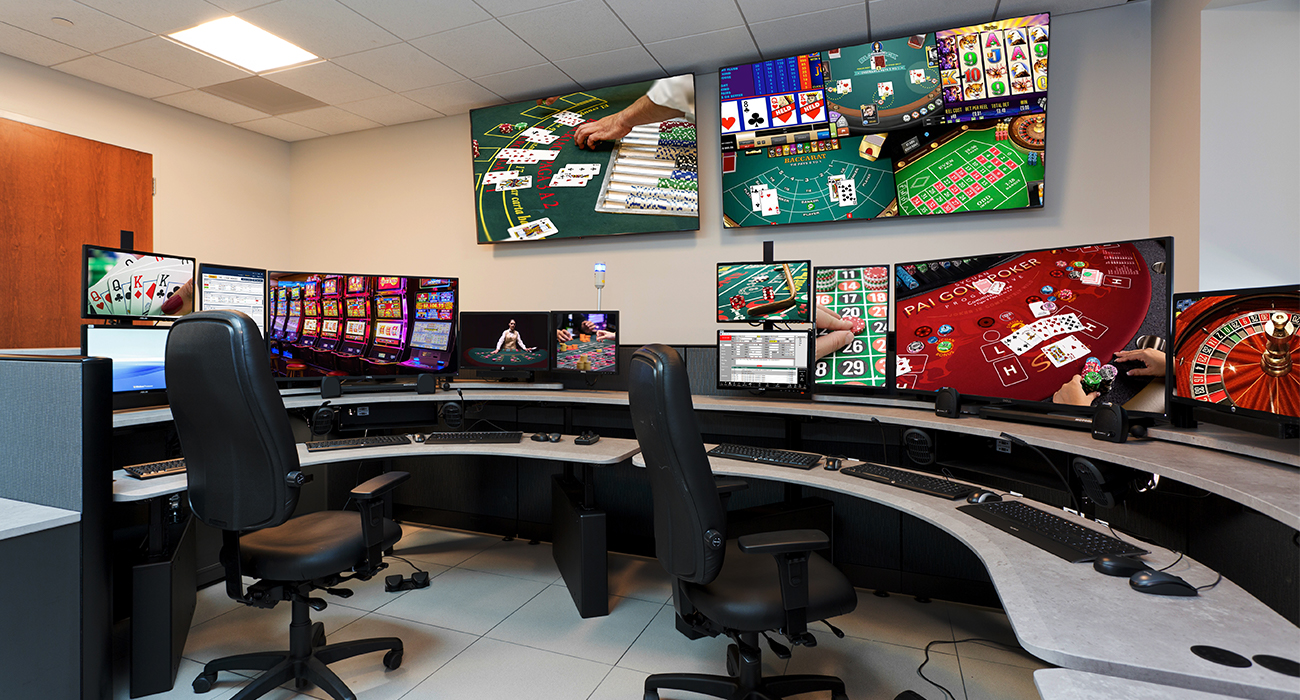
At the heart of casino security is surveillance, often referred to as the “eye in the sky.” Advanced closed-circuit television (CCTV) systems are strategically placed throughout the gaming floor, monitoring tables, slot machines, entrances, and other critical areas. These systems are not merely passive recording devices; modern setups often incorporate analytics capable of detecting unusual patterns, such as multiple players converging on a single table or repeated attempts to manipulate machines. Surveillance teams watch these feeds in real time, allowing for immediate intervention when suspicious behavior is detected. This proactive monitoring is crucial for deterring theft, cheating, and other forms of misconduct, ensuring that players can enjoy the games without fear of foul play.
Physical security personnel complement electronic surveillance, forming a layered approach to safety. Uniformed and plainclothes officers patrol the casino floor, entrances, parking areas, and backstage zones, ready to respond to incidents ranging from disturbances to medical emergencies. These officers are trained to recognize behavioral cues indicative of potential trouble, such as aggressive gestures, repeated rule violations, or attempts to access restricted areas. Their presence serves not only as a deterrent but also as a rapid response capability, providing both protection and reassurance to patrons. Security staff often collaborate closely with management and gaming operations teams to maintain compliance with regulatory standards, ensuring that all activities remain fair and transparent.
Another critical aspect of casino security is fraud prevention. Casinos handle enormous amounts of cash, chips, and electronic transactions, making them prime targets for counterfeiting, identity theft, and cheating. Chip verification systems, automated teller machines, and secure cash handling procedures are essential tools in mitigating these risks. Many establishments employ specialized personnel to monitor high-risk areas, such as cash cages and VIP rooms, ensuring that all transactions are accurate and traceable. Additionally, staff are trained to detect signs of cheating, which can range from card manipulation to collusion among players. By maintaining strict oversight of financial operations, casinos protect themselves and their patrons from losses while reinforcing the integrity of the games.
Access control is another vital component of comprehensive security. Casinos are open to the public, but sensitive areas such as vaults, cash handling rooms, surveillance centers, and administrative offices require restricted access. Keycards, biometric scanners, and other access control technologies help ensure that only authorized personnel can enter these zones. This not only protects valuable assets but also minimizes the risk of internal theft and sabotage. Regular audits and monitoring of access logs provide an additional layer of accountability, making it easier to detect and respond to suspicious activity promptly.
Cybersecurity has emerged as an increasingly important dimension of casino security in the digital age. Modern casinos often operate online platforms, digital wallets, and complex information systems that manage sensitive customer data and financial transactions. Protecting these systems from hacking, data breaches, and ransomware attacks is as critical as physical security. Robust cybersecurity measures, including encryption, multi-factor authentication, firewalls, and continuous network monitoring, safeguard the integrity of digital operations. By ensuring that both in-person and online interactions are secure, casinos can maintain customer confidence and comply with data protection regulations.
Emergency preparedness and crisis management are also central to casino security. In addition to routine monitoring, casinos must be ready to respond to fires, medical emergencies, natural disasters, or violent incidents. Well-trained security personnel are equipped with procedures for evacuation, first aid, and coordination with local law enforcement and emergency services. Regular drills and simulations help ensure that staff can respond effectively under pressure, minimizing harm and maintaining order. This preparedness not only protects lives but also supports the continuity of casino operations, demonstrating a commitment to both safety and customer experience.
Casino security also contributes to a positive gaming environment by fostering trust and fairness. Patrons are more likely to engage in gaming activities when they perceive that the environment is safe, regulated, and monitored for integrity. Knowing that cheating and criminal behavior are actively deterred allows players to focus on enjoyment rather than concern over potential threats. Security teams often work alongside customer service to address concerns discreetly, balancing vigilance with hospitality. This dual focus ensures that casinos remain inviting, competitive, and reputable entertainment destinations.
In addition to protecting assets and patrons, casino security plays a role in regulatory compliance. Gaming commissions and regulatory bodies impose stringent rules regarding fairness, transparency, and player protection. Security measures must align with these regulations, providing evidence of proper oversight and adherence to legal standards. Failure to comply can result in fines, license suspension, or reputational damage. Consequently, security operations are designed not only for immediate risk mitigation but also for documentation, reporting, and accountability. This alignment ensures that casinos operate ethically and sustainably within a highly regulated industry.
Finally, the effectiveness of casino security relies on continuous training, technological updates, and strategic planning. Threats evolve, whether in the form of sophisticated cheating techniques, cyber attacks, or organized criminal activity. Security teams must stay ahead by implementing the latest surveillance technology, updating protocols, and conducting regular training sessions. Collaboration with law enforcement and industry experts allows casinos to anticipate emerging risks and adapt quickly. By maintaining a culture of vigilance and preparedness, casinos safeguard their financial health, their patrons, and their reputations, ensuring a safe and enjoyable gaming experience for all.
Security in casinos is not just about preventing losses; it is about fostering an environment where players feel protected, confident, and respected. From advanced surveillance and physical presence to cybersecurity, fraud prevention, access control, and emergency preparedness, every layer of protection contributes to operational integrity. Without these measures, the trust, enjoyment, and stability that define the modern casino experience would be at serious risk. A well-executed security strategy ensures that casinos can thrive as entertainment destinations while keeping both people and assets safe.


Leave a Reply