
Casinos operate in an environment where trust and fairness are crucial, and a variety of systems are implemented to protect players and maintain the integrity of the games. One of the primary methods used is the adoption of regulatory frameworks enforced by gaming authorities. These regulatory bodies ensure that casinos follow strict rules regarding fair play, payout percentages, and responsible gaming practices. Compliance with these regulations is monitored through frequent audits and inspections, which help detect any irregularities before they can affect players. Players can feel confident that the casino is not only providing entertainment but also adhering to standards that prioritize fairness and accountability.
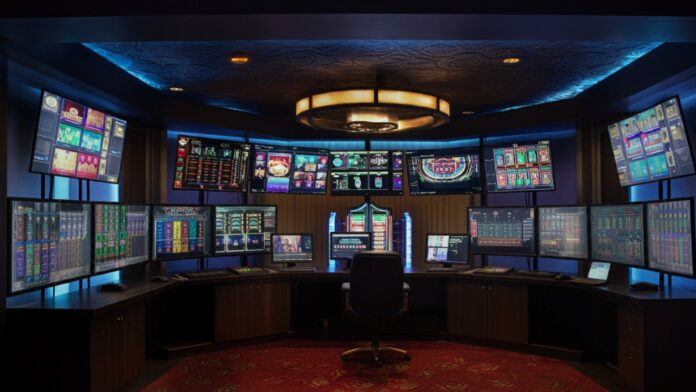
A key element in protecting players is the use of sophisticated software designed to monitor gaming activity in real time. This software can detect patterns that suggest either technical issues or potential problem gambling behaviors. By tracking wagers, session lengths, and betting patterns, casinos can intervene early when a player may be at risk. Some systems can automatically trigger responsible gaming features, such as reminders to take breaks, limit-setting tools, and self-exclusion options. These safeguards are designed to prevent players from experiencing negative consequences and to encourage healthier gaming habits, which are essential for long-term enjoyment.
In addition to player monitoring, casinos employ encryption and cybersecurity measures to protect financial transactions. Modern casinos, especially online platforms, handle a large volume of sensitive data, including credit card information, digital wallets, and personal identification. Advanced encryption protocols, firewalls, and secure servers ensure that this information is safe from unauthorized access. Regular security audits and penetration testing are conducted to identify vulnerabilities before they can be exploited. This technological protection provides players with confidence that their funds and personal data are secure while engaging with casino systems.
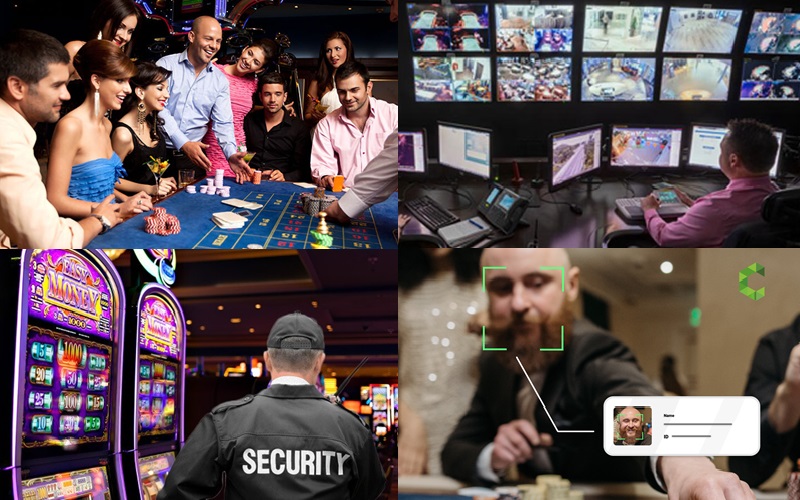
Another aspect of player protection is the fairness of the games themselves. Reputable casinos use random number generators (RNGs) to ensure that outcomes in slots, table games, and digital card games are genuinely random. These RNGs are rigorously tested and certified by independent third-party organizations, which guarantee that each spin or deal is unbiased. In live casino environments, cameras and monitoring systems further ensure that human dealers follow the rules, preventing manipulation and maintaining transparent operations. By combining technology and oversight, casinos minimize the risk of unfair advantages and preserve a level playing field for all participants.
Casinos also implement mechanisms for resolving disputes and complaints. Players who feel that a game outcome was unfair or that they experienced an issue with a payout can access support channels that provide prompt and impartial resolutions. Customer service teams are trained to investigate thoroughly, verify evidence, and apply rules consistently, which helps protect players from errors or misconduct. In regulated markets, gaming commissions also act as a backup layer of protection, providing legal recourse if a dispute cannot be settled directly with the casino. This structure ensures accountability and reinforces trust between players and operators.
Furthermore, financial protections are in place to safeguard players’ funds. Reputable casinos maintain segregated accounts for player deposits, ensuring that these funds are never mixed with operational capital. This means that even in the unlikely event of a financial issue on the casino’s side, player funds remain protected and can be returned promptly. For online casinos, reliable payment processors and secure digital wallets add an extra layer of security, making sure that deposits and withdrawals are handled safely and transparently. These financial measures prevent potential losses from administrative errors or malfeasance, creating a secure environment for gaming.
Education and awareness also play a significant role in player protection. Casinos often provide information about responsible gaming, including how to recognize signs of problem gambling, set limits on play, and access professional help if needed. Many operators integrate educational tools directly into their platforms, such as tutorials, risk calculators, and self-assessment tests. By giving players the knowledge and resources to manage their gaming behavior, casinos empower them to make informed decisions. This proactive approach not only prevents harm but also promotes a sustainable relationship between players and gaming establishments.
Additionally, physical security measures in brick-and-mortar casinos contribute to player safety. Surveillance cameras, trained security personnel, and controlled access points help protect both patrons and staff. These systems deter theft, fraud, and other criminal activity while ensuring that emergencies can be addressed quickly. In combination with electronic monitoring and responsible gaming tools, these measures create a comprehensive safety net that covers multiple dimensions of player protection, from financial and technical safeguards to personal security.
The integration of technology, regulation, and operational protocols demonstrates that casinos prioritize more than entertainment; they are invested in creating an environment where players can engage with confidence. By maintaining transparency, monitoring behavior, securing data, and educating participants, casinos reduce the likelihood of negative experiences and reinforce fair play. Players benefit from a system designed to minimize risk, prevent exploitation, and provide support whenever necessary, which enhances overall satisfaction and trust in the gaming experience.
Ultimately, the systems that protect players reflect a commitment to ethical operations and sustainable entertainment. By combining regulatory oversight, advanced technology, financial safeguards, and educational initiatives, casinos create a comprehensive framework that addresses the diverse risks associated with gaming. Players can enjoy games knowing that outcomes are fair, funds are secure, and support is readily available. These protections are essential for maintaining the integrity of the industry while ensuring that the gaming experience remains safe, responsible, and enjoyable for all participants.


Leave a Reply