
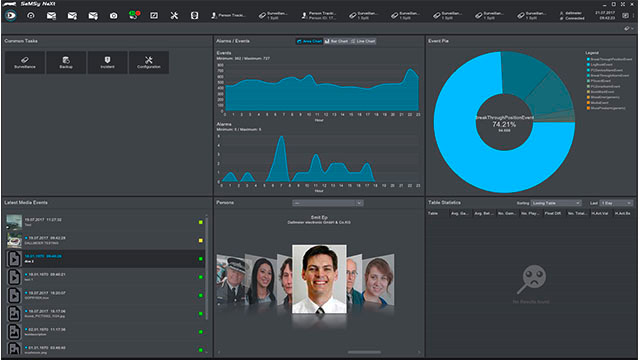
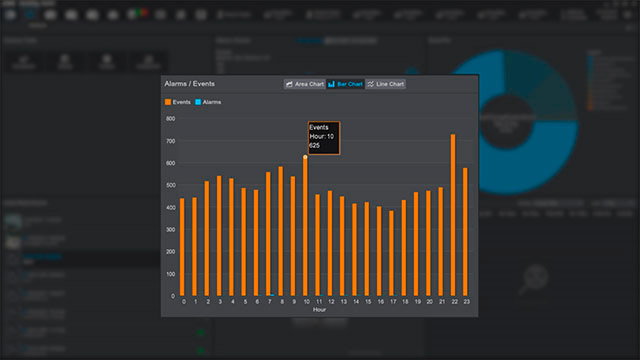
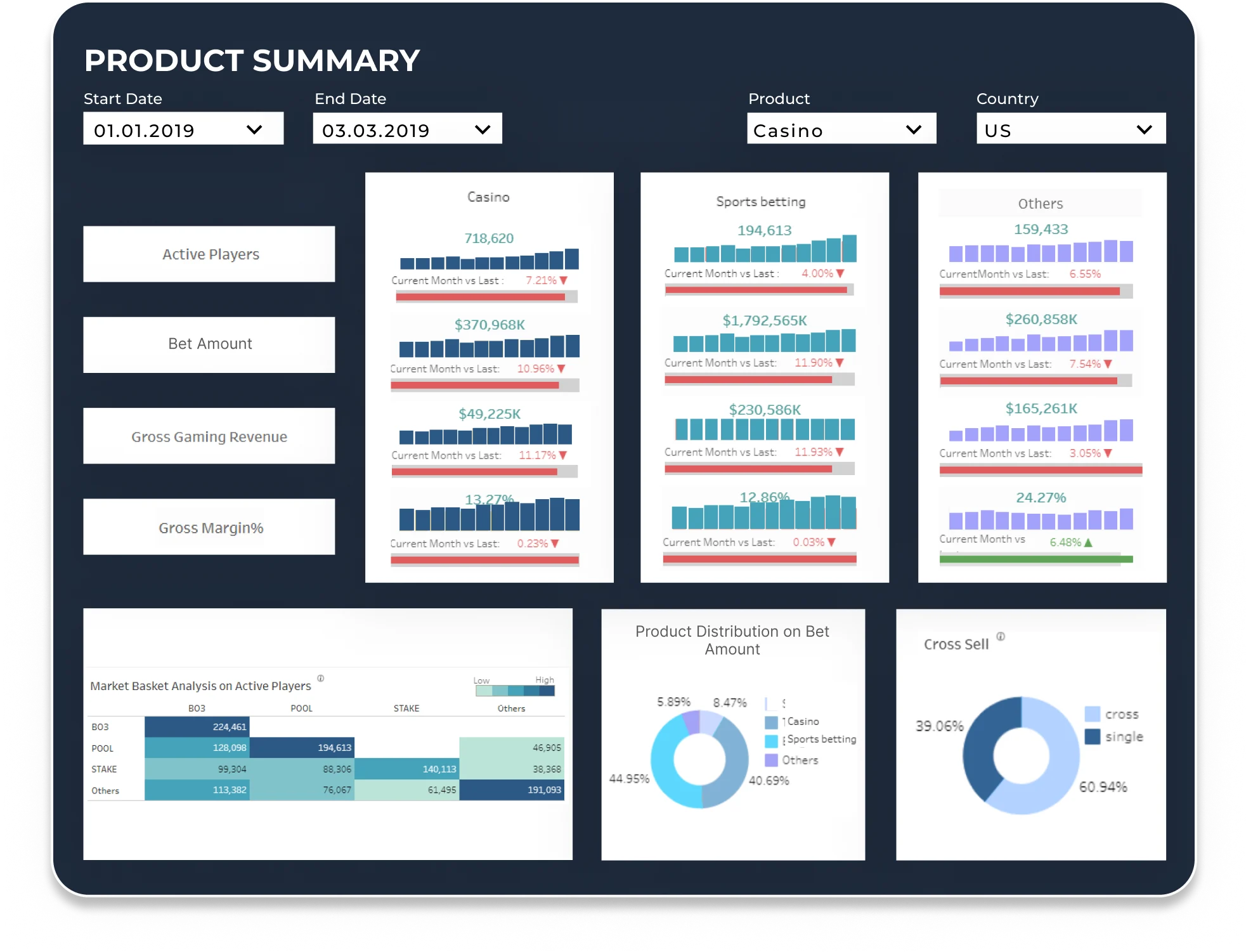
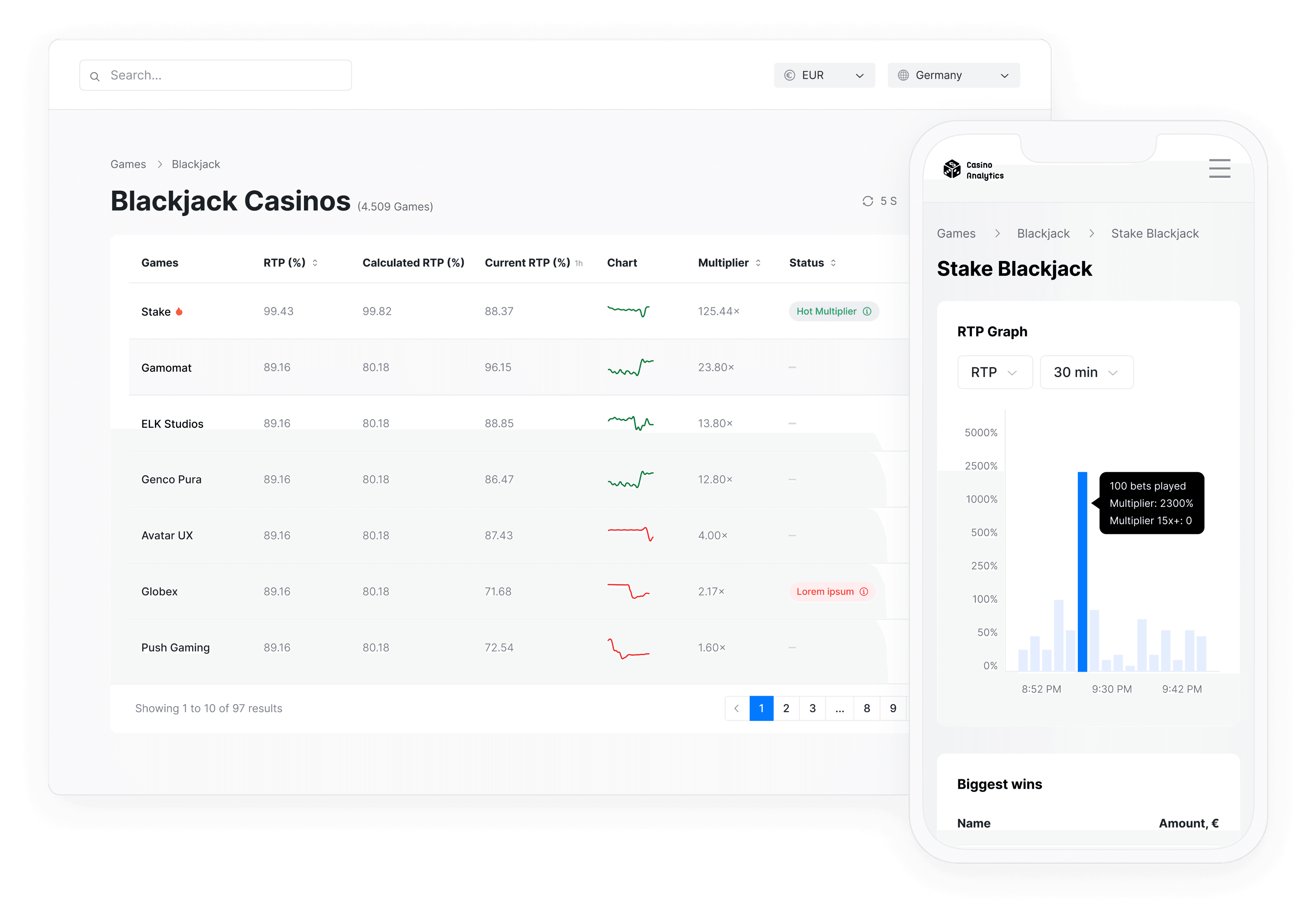
Casinos operate in a high-stakes environment where growth must be managed carefully, blending operational efficiency, technology integration, and strategic planning. The expansion of a casino is not merely a matter of adding more tables or slot machines; it requires a comprehensive understanding of how systems scale while maintaining customer satisfaction, regulatory compliance, and profitability. Modern casinos leverage sophisticated management systems that coordinate gaming operations, customer service, financial tracking, and marketing campaigns. These systems must adapt to increasing demands without creating bottlenecks that could disrupt service or negatively impact the player experience. For example, as foot traffic grows, the allocation of gaming machines and table games becomes critical. Systems analyze data on game popularity, player preferences, and peak usage times to optimize the layout and ensure players are engaged without excessive waiting. Advanced analytics allow casinos to identify trends in game performance, enabling them to dynamically adjust their offerings to meet demand. Real-time monitoring of occupancy, game activity, and staff allocation ensures that operational efficiency scales alongside physical expansion.
One of the most crucial aspects of handling growth is the integration of technology across all areas of the casino. From point-of-sale systems and player tracking to security and compliance, unified platforms allow for centralized management. This centralization reduces errors, ensures consistency, and streamlines the onboarding of new games or services. As a casino adds more gaming machines or opens new floors, these systems automatically update to reflect the new configuration, allowing staff to focus on service rather than administrative tasks. In addition, automation reduces human error in areas such as chip counts, slot payouts, and accounting reconciliation, which become increasingly complex with growth. Casinos also invest in scalable IT infrastructure, including cloud-based data storage and high-speed networks, to ensure that transaction processing and analytics remain fast and reliable.
Human resources management is another area where casino systems play a vital role in handling growth. As operations expand, coordinating staff schedules, training, and performance tracking becomes increasingly complex. Workforce management software helps ensure that employees are deployed efficiently, reducing downtime and enhancing guest experiences. It can forecast staffing needs based on historical data and upcoming events, ensuring that growth does not compromise service quality. Similarly, training modules integrated into the system help new staff quickly adapt to operational standards and regulatory requirements.
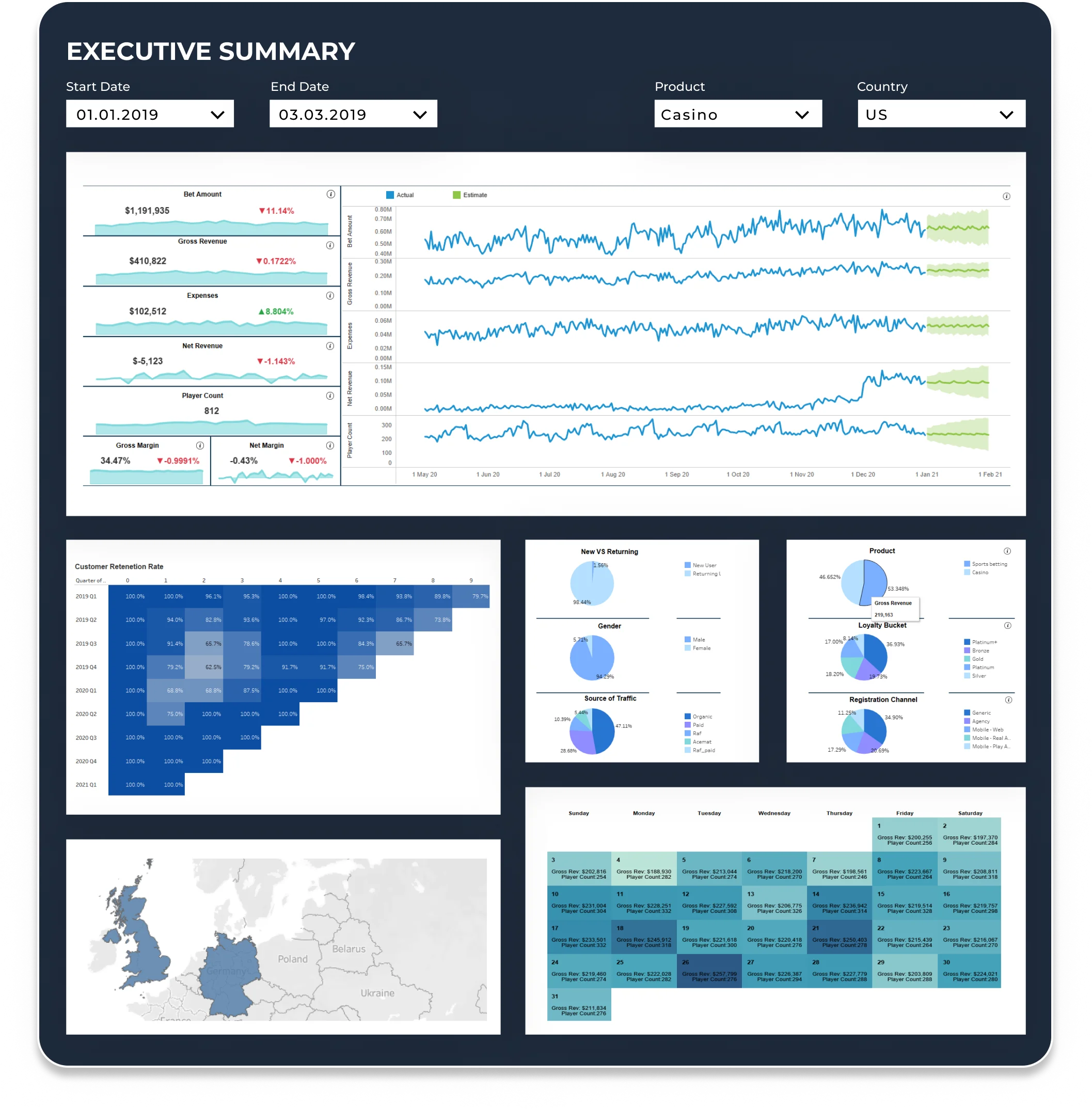
Financial management systems must also evolve to handle growth. Casinos deal with large volumes of transactions, both cash-based and digital, and accurate tracking is essential for maintaining profitability and compliance. Advanced accounting systems provide real-time visibility into revenues, expenses, and liabilities, enabling managers to make informed decisions. They can model scenarios such as the impact of adding new gaming options or expanding VIP services, ensuring that growth strategies are both sustainable and financially sound. These systems also facilitate regulatory reporting, automatically generating reports that comply with local gaming laws and auditing standards, which becomes increasingly complex as the casino scales.
Marketing and loyalty programs are another area heavily influenced by system scalability. Growth often means a more diverse customer base, and personalized marketing strategies become crucial to maintain engagement. Customer relationship management (CRM) systems track player behavior, preferences, and spending patterns, allowing targeted promotions and rewards. By leveraging analytics, casinos can identify high-value players, predict future behavior, and adjust offers to encourage repeat visits. As the customer base grows, automation ensures that loyalty points, tiered benefits, and promotional campaigns remain accurate and timely, maintaining trust and satisfaction among players.
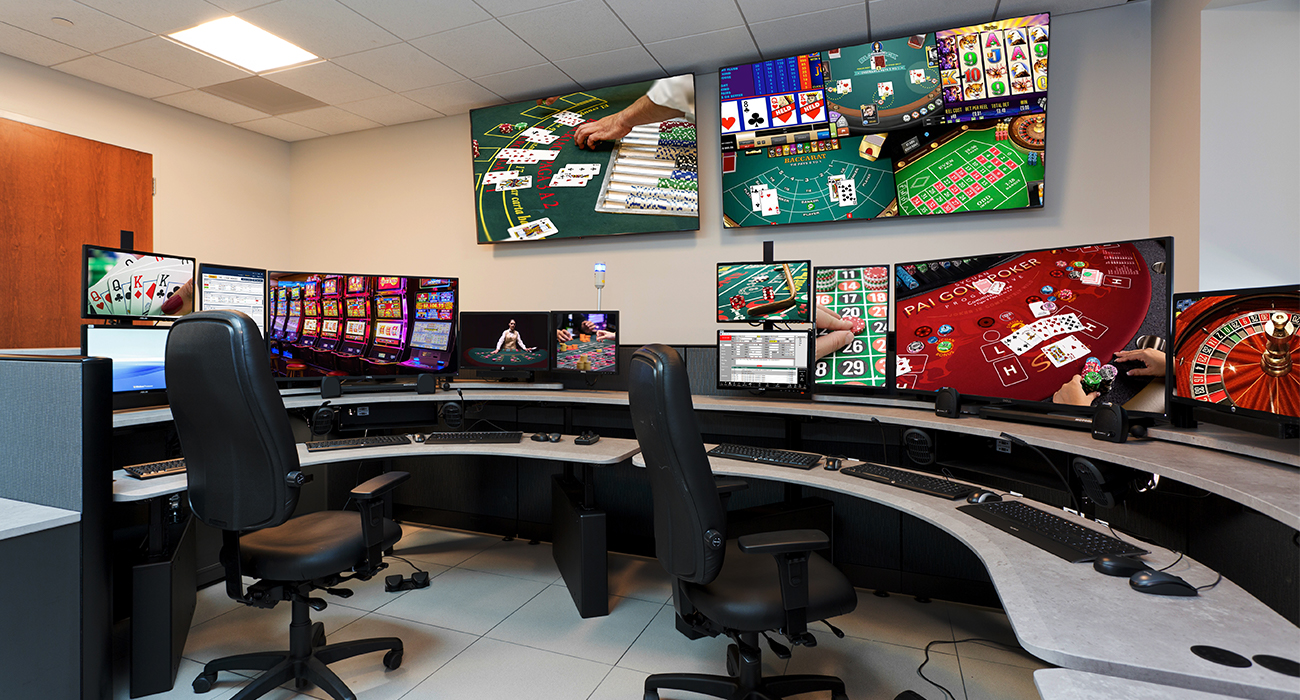
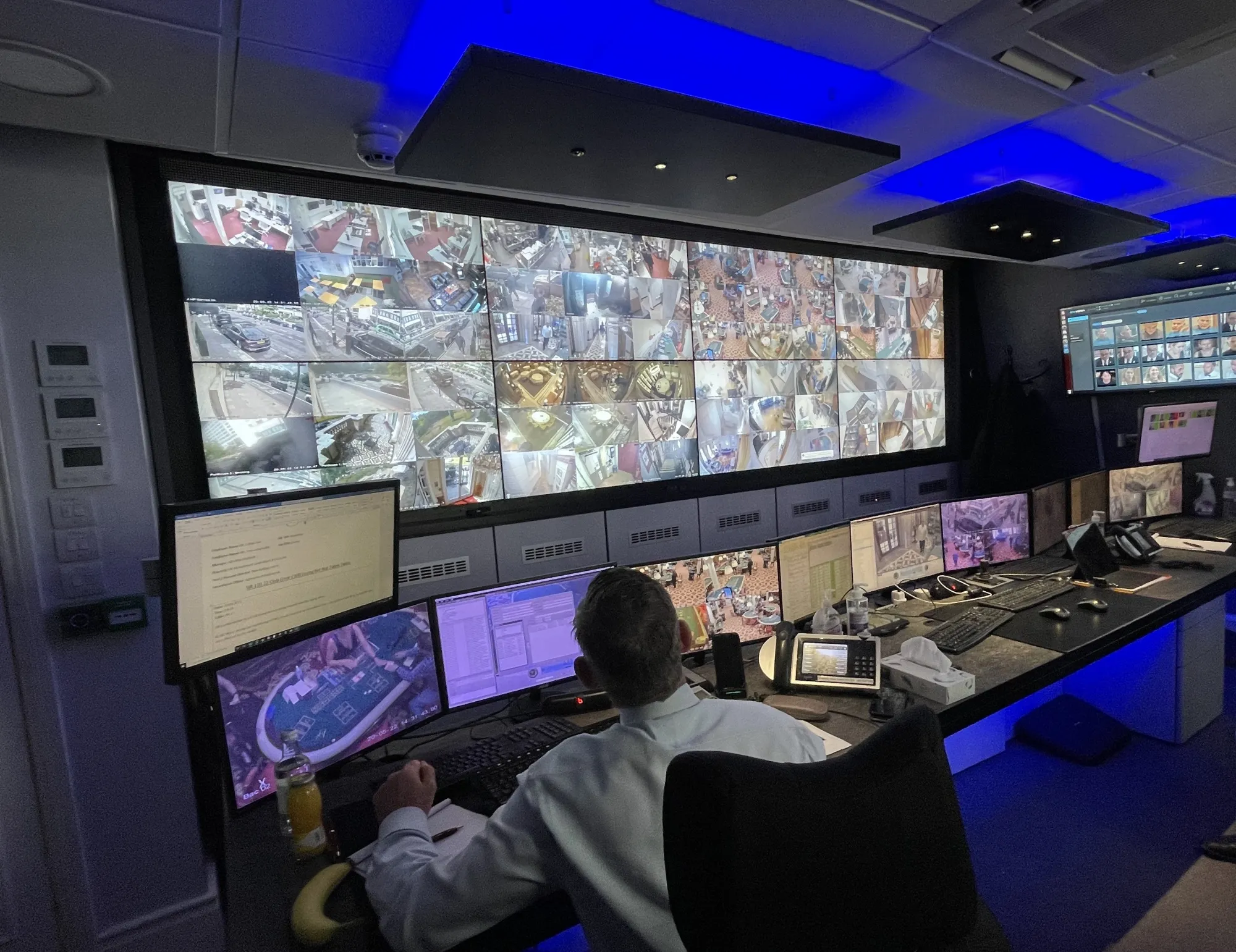
Security and surveillance systems are fundamental to managing growth safely. As casinos expand, monitoring every area effectively becomes more challenging. Modern security systems integrate video surveillance, access control, and transaction monitoring, creating a comprehensive picture of activity throughout the property. Analytics software can detect unusual patterns, flagging potential issues such as cheating, theft, or regulatory breaches. The scalability of these systems allows for additional cameras, sensors, or access points without compromising the speed or reliability of monitoring, ensuring that growth does not introduce vulnerabilities.
Operational growth also depends on the ability to innovate without disrupting existing systems. Casinos often adopt modular approaches, where new games, technologies, or amenities can be integrated incrementally. This flexibility allows the casino to respond to market trends and player demand quickly, avoiding the risk of outdated offerings. System interoperability ensures that new modules work seamlessly with existing infrastructure, preserving data continuity and operational efficiency.
Finally, strategic planning and data-driven decision-making underpin sustainable growth. Casinos collect vast amounts of data from every aspect of operations, from player behavior to financial transactions. Systems consolidate this data into actionable insights, enabling executives to identify opportunities for expansion, optimize resource allocation, and forecast demand. Predictive modeling and simulation tools allow managers to test growth strategies before implementation, reducing the risk of costly mistakes.
In essence, handling growth in a casino environment is a delicate balance of technology, operational efficiency, human resource management, and strategic foresight. Scalable systems provide the backbone that supports expansion, ensuring that as the number of players, games, and services increases, the casino can continue to deliver a seamless, secure, and engaging experience. By integrating real-time analytics, automated processes, and flexible management tools, casinos can manage growth proactively, maintaining profitability, compliance, and customer satisfaction in an increasingly competitive market. Every decision, from floor layout adjustments to targeted marketing campaigns, is informed by data, making the casino’s systems not just reactive tools, but proactive enablers of sustainable growth.
These systems also foster resilience, allowing casinos to adapt to sudden shifts in demand or unforeseen operational challenges. By continuously monitoring performance metrics, identifying bottlenecks, and deploying resources efficiently, the casino can scale operations without compromising the quality of experience. Ultimately, the ability to manage growth successfully is what distinguishes thriving casinos from those that struggle to maintain operational consistency, demonstrating the critical role of integrated, intelligent systems in the modern gaming industry.




Leave a Reply