
Casino environments are carefully crafted to influence behavior, often in ways that players might not consciously notice. Every aspect of a casino’s design—from lighting and layout to sounds and scents—is orchestrated to encourage engagement and maximize time spent inside. The effect is subtle, yet powerful, shaping the decisions players make, their perceptions of risk, and their overall experience. Understanding these design elements can shed light on why casinos feel immersive and why players often behave differently in these environments compared to other recreational spaces.
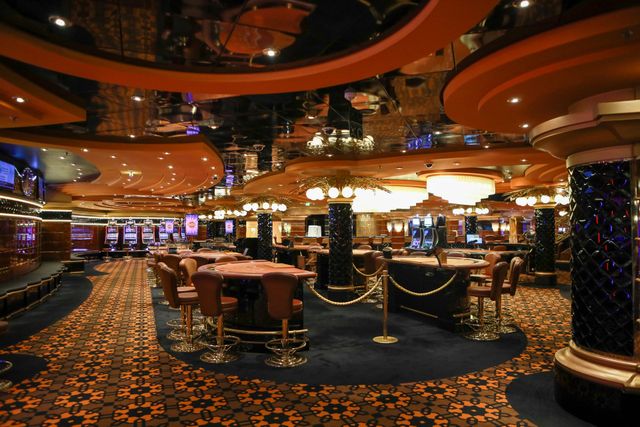
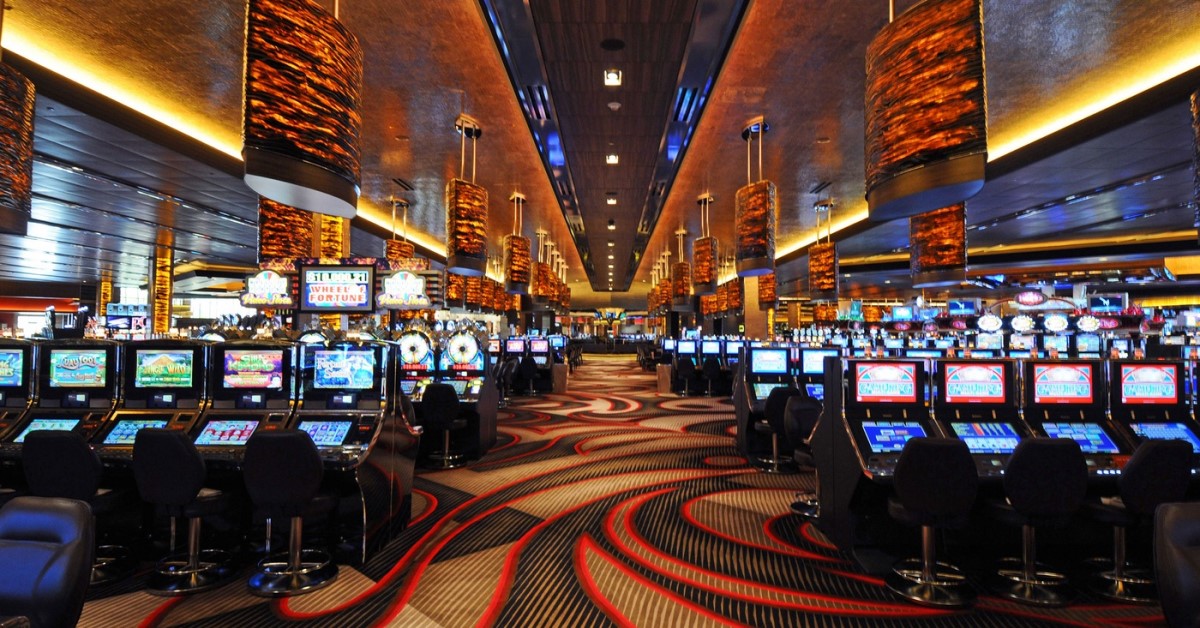
One of the most prominent features in casino design is the layout. Unlike conventional buildings that prioritize efficiency, casinos are intentionally structured to promote exploration. Long corridors are often absent, and pathways curve rather than follow straight lines. This encourages players to meander through the space, encountering more gaming opportunities along the way. Slot machines, table games, and other attractions are strategically placed to draw attention, creating a sense of discovery and chance. Designers know that by subtly guiding movement patterns, they can increase exposure to games, thereby increasing the likelihood of engagement and extended play.
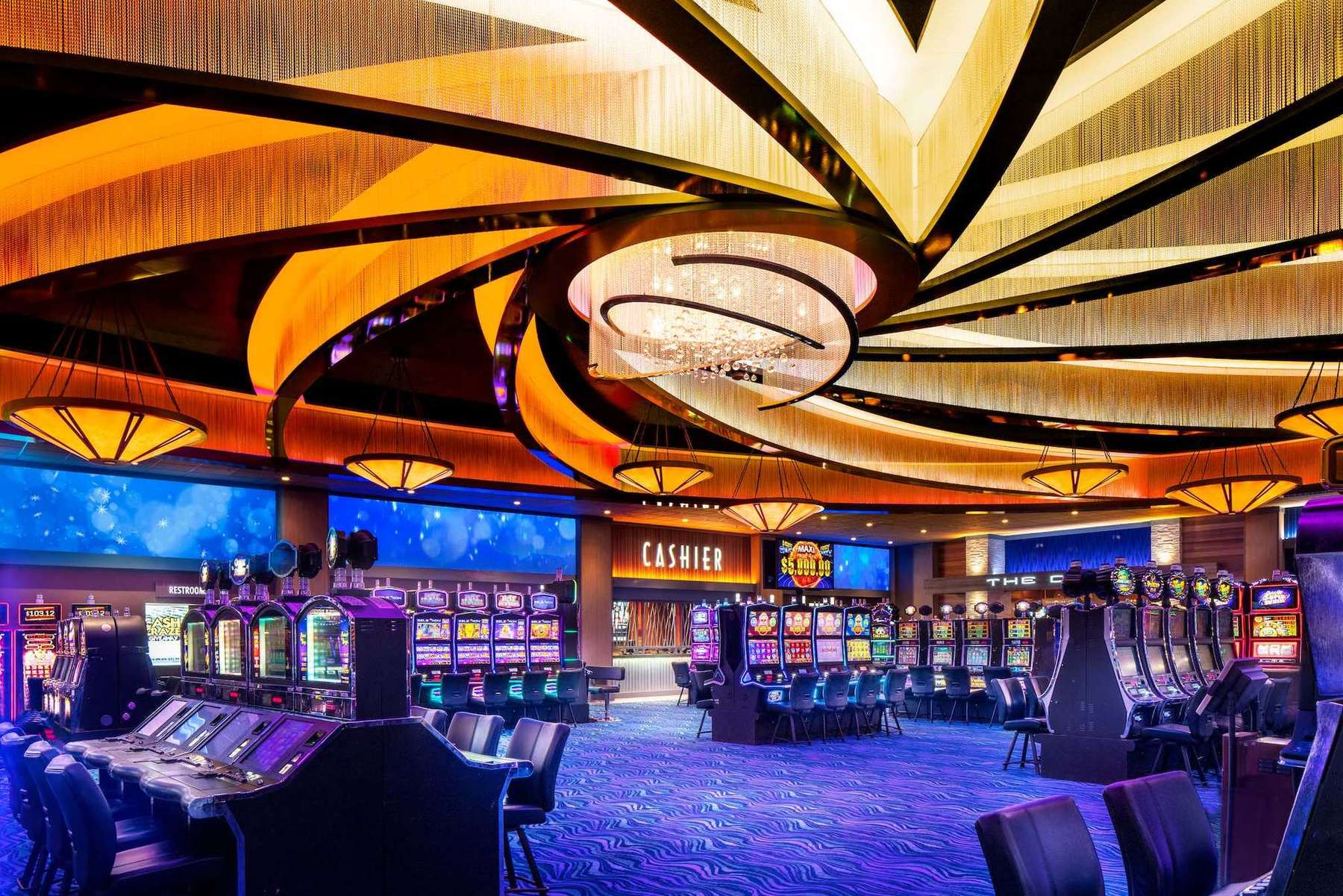
Lighting is another critical tool in shaping behavior. Casinos frequently employ warm, soft lighting that is both flattering and inviting, avoiding harsh fluorescents that might make players feel rushed or uncomfortable. Lights are often brighter around games and darker in surrounding areas to focus attention on the activity. This technique, sometimes called “accent lighting,” draws the eye toward gaming zones, subtly encouraging participation. In addition to illumination, color psychology plays a role: red and gold hues are commonly used because they evoke excitement, energy, and a perception of luxury. These colors are not incidental; they are carefully selected to stimulate emotional responses that increase engagement.
Soundscapes are equally deliberate in casinos. Background music is carefully curated to maintain an energetic atmosphere without being overwhelming. Upbeat tempos can elevate mood and create a sense of urgency, prompting faster decision-making. The clinking of chips, the ringing of slot machines, and celebratory sounds of wins are amplified to reinforce the idea of success, even if those successes are small. This auditory reinforcement can generate feelings of accomplishment, encouraging continued play. It also taps into human behavioral patterns: hearing rewards repeatedly can trigger dopamine release, which makes the environment more psychologically compelling.
Scent is a less obvious but highly effective influence on behavior. Many casinos use signature fragrances to create a positive, memorable atmosphere. Pleasant smells, such as citrus, vanilla, or a subtle floral aroma, can enhance mood, reduce stress, and even make players feel more generous with their time and money. The power of scent in shaping behavior is rooted in its direct connection to memory and emotion; the right fragrance can make the casino experience feel more enjoyable, comfortable, and immersive.
Another behavioral tactic is the manipulation of time perception. Casinos often remove obvious clocks and windows, creating a timeless environment where players are less aware of how long they have been inside. This design reduces external cues that might signal it’s time to leave, leading to longer play sessions. Similarly, the absence of typical daily interruptions, such as phone signals or natural light, reinforces a sense of being in a separate, controlled space where the primary focus is gaming.
Comfort also plays a strategic role. Seating is designed to be ergonomically supportive, yet flexible enough to encourage short or extended stays. Slot machines often feature cushioned chairs that make it easy to sit for long periods, while table games are designed to balance social interaction and personal space, allowing players to feel both included and comfortable. Even small touches, like temperature control and accessible amenities, contribute to creating a space where leaving becomes psychologically inconvenient.
Casinos also use reward structures and visual cues to influence behavior. Near wins, flashing lights, and celebratory sounds provide instant feedback that keeps players engaged. These near-miss experiences can be particularly persuasive because they give the impression of being close to a major success, prompting repeated attempts. In table games, minimum bets and reward tiers are strategically set to encourage risk-taking without creating immediate discouragement. Loyalty programs and comp systems further reinforce behavior by offering tangible benefits for continued engagement, subtly conditioning players to spend more time and money within the casino ecosystem.
Social design elements also affect player behavior. Casinos often create communal areas around games, bars, and restaurants, fostering interaction among patrons. Observing others winning or celebrating can trigger social proof, making players more likely to continue playing or take calculated risks. At the same time, private nooks or isolated slots allow for introspection and focus, catering to different behavioral patterns and preferences.
The cumulative effect of these design strategies is the creation of an environment where behavior is subtly guided toward prolonged engagement and repeated play. Every sensory input, from sight and sound to scent and comfort, is orchestrated to influence decisions in predictable ways. Importantly, these techniques do not rely on deception; instead, they leverage human psychology, habit formation, and environmental cues to create a compelling experience. Players often leave feeling entertained and stimulated, even if they have spent more time or money than initially intended.
In essence, casino design is a study in behavioral architecture. By understanding how space, sensory input, and environmental cues influence choices, designers can craft an experience that is both immersive and strategically engaging. Players may perceive casinos as exciting and spontaneous spaces, yet every detail—from the curve of a hallway to the scent in the air—is designed to shape behavior. Recognizing these influences can empower individuals to make more conscious decisions, balancing enjoyment with awareness. Casinos, then, are more than places of chance; they are finely tuned environments where human behavior is guided, often subtly, by design.
Leave a Reply