
In the modern casino environment, ensuring player safety while maintaining efficient operations is a critical balance that operators must achieve. Casinos are complex systems where thousands of transactions, interactions, and movements occur simultaneously, making the operational oversight both challenging and essential. One of the primary goals of casino management is to create an environment that maximizes enjoyment for patrons while minimizing risk, not only in terms of financial security but also regarding physical safety, emotional well-being, and responsible gambling practices.
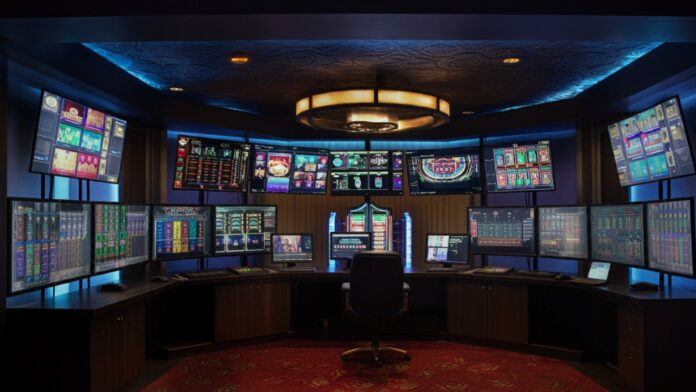
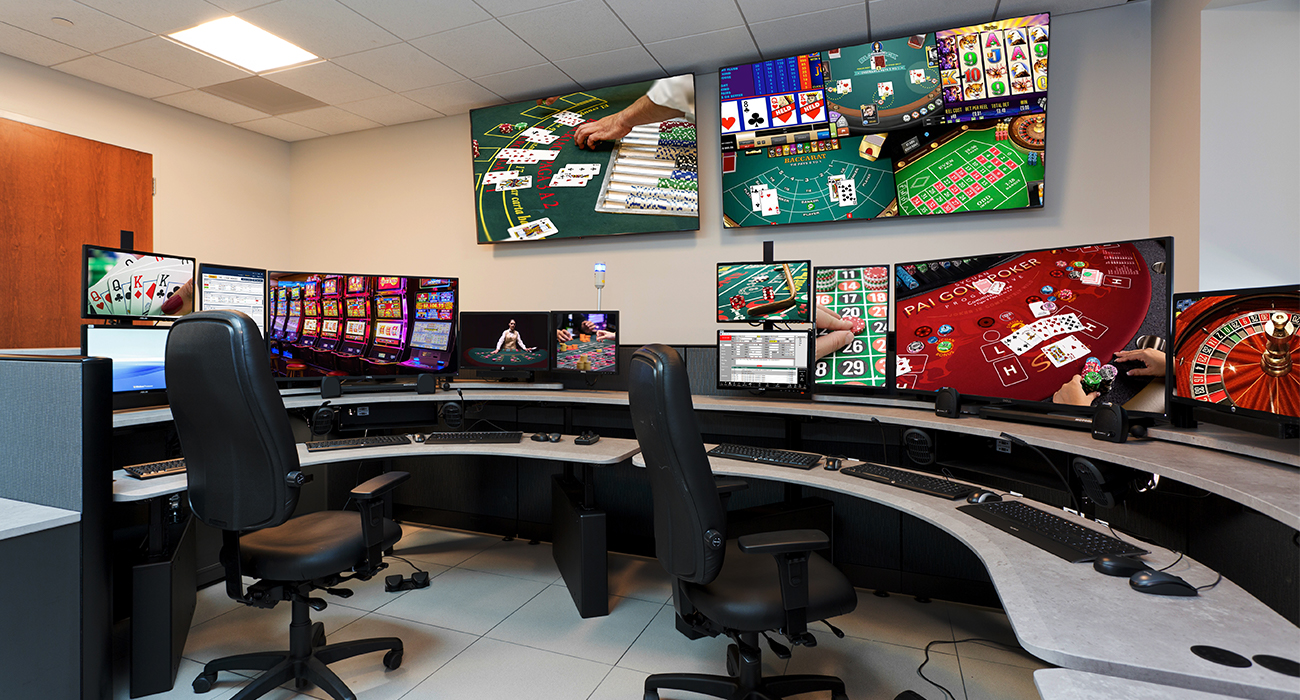
Security within a casino begins with a comprehensive surveillance system. Modern casinos utilize a combination of visible and hidden cameras, motion detectors, and intelligent analytics software to monitor activity continuously. Surveillance is not limited to detecting potential theft or fraud; it also plays a key role in identifying situations that could compromise player safety. For example, overcrowded areas, disputes between patrons, or signs of distress can be quickly addressed by trained security personnel. The integration of technology with human oversight allows for proactive responses rather than purely reactive ones, creating an environment where risks are managed before they escalate.
Beyond surveillance, operational protocols are crucial in maintaining safety. Casinos implement strict procedures for handling cash, chips, and personal information to protect both the establishment and its patrons. These procedures often include verification of large transactions, discreet monitoring of high-stakes players, and secure storage systems. Staff are trained to follow these protocols meticulously, ensuring that even in high-pressure or fast-paced situations, safety and fairness are upheld. Additionally, routine audits and compliance checks help reinforce these protocols, preventing lapses that could compromise player trust or operational integrity.
Responsible gambling initiatives are another central aspect of player safety. Modern casinos recognize that enjoyment can quickly turn into harm if patrons engage in excessive or uncontrolled gambling. To address this, many operators provide tools such as self-exclusion programs, betting limits, and real-time monitoring of player behavior. Trained staff members, including counselors and floor managers, can intervene when warning signs of problem gambling are detected, offering resources and guidance before situations worsen. This proactive approach not only safeguards the individual player but also promotes a culture of ethical gaming, which is beneficial for the casino’s long-term reputation.
Physical safety within the casino space is equally important. Casinos are environments with high foot traffic, moving equipment, and areas that may become slippery or hazardous. Operational teams implement comprehensive health and safety protocols, including regular inspections, clear signage, and the presence of first aid personnel. In addition, emergency preparedness plans are standard, ensuring that staff are ready to respond to fire, medical emergencies, or other unexpected incidents. This level of preparedness reassures players that their well-being is taken seriously, which can enhance comfort and prolong patron engagement.
The design of casino operations also incorporates aspects that indirectly enhance safety. Layouts are carefully planned to avoid congestion and ensure clear lines of sight, which helps both staff and surveillance teams monitor activity effectively. Lighting, signage, and floor materials are chosen not only for aesthetic appeal but also for minimizing risks of accidents or disorientation. Moreover, operational staffing is strategically allocated to maintain a visible presence, which can deter inappropriate behavior and provide immediate assistance when necessary. These design considerations create a seamless environment where enjoyment and safety coexist without one compromising the other.
Staff training is a critical component in operational safety. Casino employees are not only expected to be skilled in customer service and gaming mechanics but also in identifying and managing risks. This includes recognizing signs of intoxication, distress, or aggressive behavior among patrons, as well as understanding the protocols for reporting and responding to these situations. Regular training sessions, scenario simulations, and updates on regulatory changes ensure that staff remain prepared for a wide range of scenarios. The human element complements technological systems, providing empathy, judgment, and flexibility that machines alone cannot achieve.
Data security and privacy are increasingly integral to player safety. Casinos collect a wealth of personal information through membership programs, digital transactions, and online platforms. Protecting this data from breaches is essential, as compromised information can lead to financial loss and emotional distress. Operational teams employ encryption, secure networks, and strict access controls, while also training staff on the importance of confidentiality and vigilance. By safeguarding digital assets, casinos not only prevent fraud but also reinforce trust with their patrons, which is a cornerstone of a safe and responsible gaming environment.
Finally, regulatory compliance underpins all aspects of casino operations and player safety. Licensing authorities and regulatory bodies impose strict standards covering financial operations, physical safety, responsible gambling, and data protection. Compliance is monitored through audits, inspections, and reporting obligations. Casinos that prioritize regulatory adherence demonstrate a commitment to integrity, transparency, and the welfare of their patrons. This adherence protects players and operators alike, fostering an environment where enjoyment can be pursued confidently and safely.
In essence, casino operations are a sophisticated interplay of technology, human oversight, and procedural discipline, all designed to maintain a secure and enjoyable experience. Player safety is not a single measure but a holistic approach encompassing surveillance, responsible gambling, physical safety, staff training, data protection, and regulatory compliance. By integrating these elements seamlessly, casinos can create spaces where patrons feel protected, respected, and free to engage with entertainment responsibly. The continuous refinement of these practices reflects the industry’s dedication to balancing excitement with accountability, ensuring that the thrill of gaming does not come at the expense of safety or trust.


Leave a Reply