
Casino gaming, particularly when focused on slots or table games, requires an environment that players can trust for long-term engagement. Reliability in this context encompasses several dimensions, including fairness, system stability, transparency, and support mechanisms, all of which contribute to a player’s ability to enjoy extended gaming sessions without disruption or concern. Understanding how these factors interplay provides insight into why certain casinos are preferred for longer play periods and how players can maximize their experience safely and confidently.
One of the most fundamental aspects of casino reliability is fairness. Players need assurance that outcomes are governed by unbiased processes and randomization. In online gaming, this is primarily achieved through certified Random Number Generators (RNGs) that ensure each spin or hand is unpredictable and independent of previous results. Reputable casinos undergo third-party audits by agencies such as eCOGRA or GLI to verify RNG integrity. For players, this means the system itself is trustworthy, reducing stress or suspicion that could interrupt a session. Fairness creates a psychological comfort zone where decisions focus on strategy and enjoyment rather than questioning the mechanics.
Stability and technical reliability are equally crucial. Long sessions require a platform that remains responsive and uninterrupted. Crashes, lag, or server downtime can abruptly end a session, potentially resulting in loss of progress or funds. Casinos that invest in robust infrastructure, redundant servers, and high-capacity networks provide seamless gameplay. Players can therefore concentrate on their chosen games without distraction or anxiety over technical failure. A stable system also supports features like auto-play, session history tracking, and persistent balance management, all of which enhance the experience for extended periods.
Transparency is another key component. Clear rules, payout information, and account activity records help players make informed choices. When players can verify their wagers, winnings, and session history in real-time, confidence in the casino grows. Transparent bonus terms, wagering requirements, and payout schedules also prevent misunderstandings that might otherwise cut sessions short. For long-term players, this reduces the need to constantly monitor fine print or question outcomes, allowing the session to focus on entertainment and strategic decision-making rather than administrative confusion.
Reliable customer support underpins both fairness and transparency. Players engaged in long sessions may encounter issues, from payment processing delays to questions about game rules or technical glitches. Casinos that provide accessible, responsive support through live chat, email, or phone help maintain continuity. Knowing that help is readily available allows players to recover quickly from unexpected issues, sustaining engagement without frustration or loss of trust. A supportive system reinforces a sense of security, encouraging longer and more confident play.
Financial reliability also matters significantly. Players need assurance that deposits and withdrawals are processed securely and promptly. A consistent track record of smooth transactions reduces anxiety over potential loss or delays. For extended sessions, the ability to manage funds efficiently, set spending limits, and track balance evolution is essential. Features such as split withdrawals, automatic balance updates, and detailed transaction histories enable players to stay in control. This not only supports responsible play but also maintains enjoyment by reducing distractions related to money management concerns.
Beyond system and transactional reliability, regulatory compliance is critical. Licensed casinos operate under governmental or independent oversight, ensuring adherence to strict standards of fairness, security, and responsible gaming. Regulatory licenses signal that the casino is subject to audits and penalties if standards are not met. For players, this external validation enhances trust and provides recourse in case of disputes. It also ensures that long sessions occur in a safe environment, free from exploitation or malpractice.
User interface design and usability further contribute to session reliability. Intuitive navigation, clear information layout, and consistent interaction mechanics reduce cognitive load during extended play. Players can make decisions quickly, locate games, and access account features without unnecessary complexity. Reliable UI design minimizes frustration and error, which is particularly important during long sessions where attention may wane. Accessibility features, such as adaptable screen sizes and responsive controls, further support sustained engagement by accommodating diverse player needs.
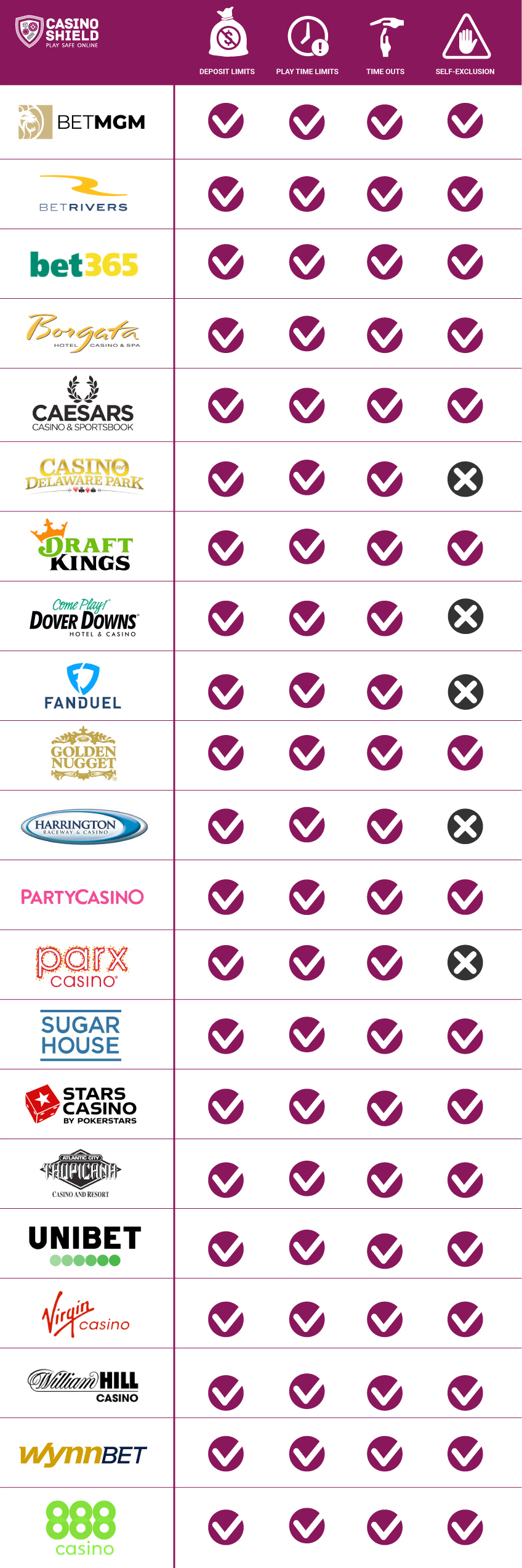
Responsible gaming tools are another integral aspect of reliability for long sessions. Features such as session time reminders, deposit limits, and self-exclusion options help players maintain control over their engagement. Reliable implementation of these tools allows players to enjoy longer periods of play while avoiding burnout or unhealthy patterns. Casinos that emphasize responsible gaming demonstrate a commitment not only to fairness but also to player well-being, which in turn supports sustained and confident interaction with the platform.
Moreover, consistent game performance enhances reliability perception. When graphics, sound, and game logic remain consistent across multiple sessions, players feel a sense of predictability and stability, even in random outcomes. Smooth animations, accurate payout displays, and responsive controls all contribute to an immersive experience where players can focus on strategy and enjoyment rather than technical inconsistencies. This combination of reliability, stability, and consistency creates an environment conducive to long-term engagement.
Community features and social interaction elements can also reinforce session reliability. Multiplayer tables, tournaments, or leaderboards provide additional engagement opportunities while giving players a sense of continuity and connection. When these features operate reliably and fairly, they enhance the overall experience, encouraging players to participate in extended sessions with confidence that their efforts are recognized and respected.
In conclusion, casino reliability for long sessions is a multidimensional concept encompassing fairness, technical stability, transparency, customer support, financial integrity, regulatory compliance, user interface design, responsible gaming, and consistent performance. Each element contributes to a safe, enjoyable, and uninterrupted experience that allows players to focus on strategy, entertainment, and personal pacing rather than concern over system failures or unfair practices. When all these aspects align, players can engage in extended gaming sessions with confidence, comfort, and sustained enjoyment, turning the casino environment into a space where extended focus and leisure can coexist harmoniously.
The combination of these factors ultimately ensures that the player’s time and effort are respected, supporting both enjoyment and responsible engagement. Reliability is not merely a technical feature; it is the foundation upon which trust, focus, and sustained satisfaction are built. Casinos that achieve high standards in these areas differentiate themselves as spaces where long sessions are not only possible but pleasurable, fostering a relationship between player and platform that prioritizes both security and enjoyment.




Leave a Reply