
A casino’s infrastructure is more than just the physical space where games are played; it forms the backbone of trust and confidence for both casual and serious players. From the layout of the gaming floor to the design of online platforms, every aspect of infrastructure contributes to the perception of fairness, security, and reliability. Players are highly sensitive to cues that indicate professionalism, legitimacy, and operational integrity. A well-planned environment, whether in a brick-and-mortar casino or a digital platform, can significantly enhance a player’s comfort and willingness to engage.
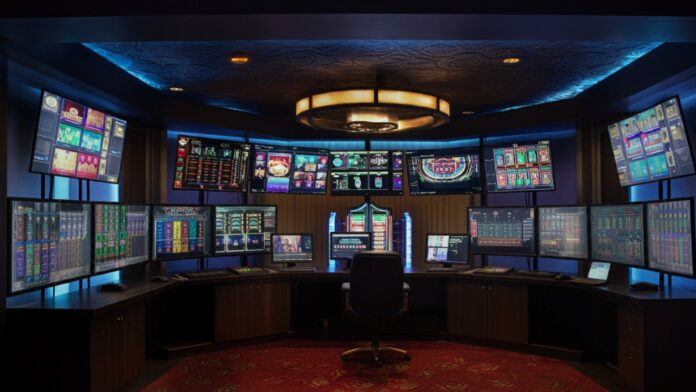
Security is a foundational element of trust in any casino setting. In physical casinos, this includes visible measures such as surveillance cameras, secure entry points, and trained personnel monitoring the gaming areas. These systems are designed not only to prevent theft and fraud but also to reassure patrons that their personal safety and financial transactions are protected. Online casinos adopt similar principles in the digital realm through encryption technologies, secure payment gateways, and robust authentication systems. The assurance that personal and financial information is protected fosters confidence, encouraging players to participate without fear of compromise. A casino that invests in visible, comprehensive security demonstrates a commitment to its patrons, which naturally cultivates trust.
Equally important is the fairness and transparency of the gaming systems. Physical casinos achieve this through clearly defined rules, licensed games, and rigorous oversight by regulatory authorities. Tables and machines are regularly audited to ensure compliance with legal standards and operational consistency. For online platforms, random number generators (RNGs) and independently verified software provide objective evidence of game fairness. Certification by recognized testing agencies signals to players that the outcomes they experience are genuine and not manipulated. Infrastructure that supports transparent gaming reassures players that they are engaging in an equitable environment, which is a critical component of trust.
The layout and design of a casino also communicate reliability and professionalism. In physical spaces, wide walkways, clear signage, and well-organized gaming areas reduce confusion and help players navigate the environment easily. Comfortable seating, adequate lighting, and attention to hygiene contribute to a positive experience, signaling that the casino cares about the patrons’ well-being. In online settings, intuitive user interfaces, smooth navigation, and responsive design enhance usability and reduce frustration. A platform that is easy to use demonstrates technical competence and a player-centered approach, which strengthens trust in the service.
Operational transparency extends beyond gaming fairness. The accessibility of information regarding payouts, rules, and customer support channels reflects a casino’s commitment to honesty and openness. In physical casinos, this might include posted payout schedules, visible surveillance for dispute resolution, and staff trained to explain procedures clearly. Online casinos typically provide detailed FAQs, real-time customer service, and clearly stated terms and conditions. When players can easily access relevant information, it eliminates uncertainty and reinforces the perception that the casino operates with integrity.
Maintenance and technological reliability are further pillars of trust. Physical equipment such as slot machines and table games must function consistently, and regular maintenance schedules prevent breakdowns that could disrupt gameplay or raise suspicions. Similarly, online platforms need server stability, fast load times, and uninterrupted connectivity to ensure a seamless experience. Technical issues or frequent outages can undermine confidence quickly, whereas consistent performance conveys competence and reliability. Trust grows when players perceive that a casino is professionally managed and technically robust.
The human element also interacts with infrastructure to enhance trust. Staff behavior, customer service protocols, and visible management presence signal accountability and professionalism. Training programs that emphasize fairness, responsiveness, and ethical conduct reinforce the credibility of the institution. Online environments replicate this through live chat support, clearly marked communication channels, and timely responses to inquiries. When infrastructure is complemented by professional human interaction, players are more likely to feel valued and secure, strengthening their trust in the casino.
Reputation management is tightly linked to infrastructure, as the visible quality and consistency of services reflect the casino’s brand identity. A well-maintained facility or a smoothly operating digital platform conveys stability, competence, and reliability. Frequent updates, clear communication about changes, and visible adherence to regulatory standards demonstrate a proactive approach to quality control. Players interpret these cues as evidence that the casino is responsible and trustworthy, which encourages long-term engagement.
Finally, accessibility and inclusivity within the infrastructure build trust by ensuring that a broad range of players feel welcome and accommodated. Physical accessibility features, language options, and culturally sensitive design choices make the environment more approachable. Digital platforms that offer multi-device support, language selection, and inclusive payment options similarly demonstrate attentiveness to diverse player needs. When players feel that their individual circumstances are considered, trust in the institution deepens.
Overall, a casino’s infrastructure—spanning security, fairness, operational transparency, maintenance, human interaction, reputation management, and accessibility—serves as a multifaceted foundation for trust. Each component works in concert to assure players that their experience is safe, fair, and professionally managed. The interplay between visible cues, reliable technology, and responsive human support forms an ecosystem in which players can engage confidently. Trust is not a single feature but an ongoing result of consistent, thoughtful design and management across every aspect of the casino environment. Players recognize and respond to these structural signals, which reinforces their sense of security and their willingness to participate. By prioritizing a robust, transparent, and user-focused infrastructure, casinos can establish enduring relationships with patrons, ensuring that trust remains a central pillar of their operational philosophy.



Leave a Reply