
In the world of modern casinos, whether online or land-based, payment reliability is one of the most critical factors affecting player trust and overall experience. Players engage with casinos not only for entertainment but also with the expectation that the funds they deposit will be secure and withdrawals will be processed efficiently. Payment reliability encompasses a variety of elements, from secure transaction methods to transparent processing times, each contributing to the sense of confidence players have when interacting with a casino.
A primary consideration in payment reliability is the variety of payment methods available. Modern casinos typically support a wide range of options, including traditional credit and debit cards, bank transfers, e-wallets, and increasingly, cryptocurrencies. Each method comes with distinct advantages and potential drawbacks. For instance, e-wallets often provide quicker processing times for both deposits and withdrawals, whereas bank transfers may involve longer verification periods but are valued for their familiarity and security. Players tend to select methods based on convenience, speed, and reliability, with a preference for platforms that have a proven track record of handling transactions smoothly.
Security measures play a central role in ensuring payment reliability. Encryption protocols, secure servers, and fraud detection systems protect sensitive financial information from unauthorized access. Casinos invest heavily in cybersecurity to prevent breaches, as even a single incident can damage reputation and erode trust. Reliable payment systems also incorporate authentication measures such as two-factor authentication, requiring players to verify their identity before transactions are processed. These safeguards are essential, particularly in online environments where physical verification is impossible, yet trust must be maintained.
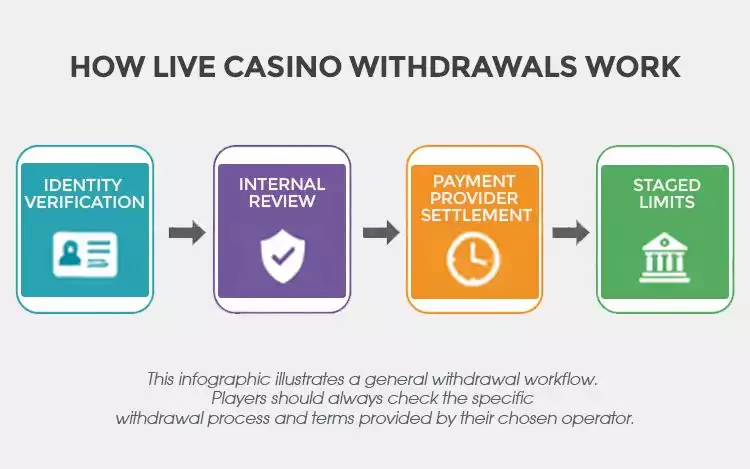
Timeliness is another key aspect of payment reliability. Players expect deposits to be credited almost immediately, allowing uninterrupted gameplay. Delays in processing can frustrate users and diminish the entertainment experience, potentially leading them to seek alternatives. Similarly, withdrawal times are a crucial indicator of a casino’s reliability. Prompt payouts, typically ranging from a few hours to a few business days depending on the method, demonstrate the casino’s operational competence. Conversely, extended delays or frequent errors can signal underlying issues with financial management, verification procedures, or even potential malfeasance.
Transparent communication contributes significantly to the perception of reliability. Clear information regarding processing times, potential fees, and any requirements for verification ensures players can plan their activities without unexpected disruptions. Reputable casinos provide detailed guidance on deposit and withdrawal procedures, often including estimated timelines for each payment method. This transparency not only manages expectations but also reflects a professional approach to financial operations, fostering trust and loyalty.
Another aspect of payment reliability is consistency across multiple transactions. A casino that successfully processes deposits and withdrawals once but encounters repeated issues with subsequent transactions may face declining confidence among players. Reliability is therefore not just about occasional success but about consistently delivering on promises. Data analytics and robust financial oversight help casinos monitor transaction performance and identify any recurring issues before they impact players. Automated systems combined with human oversight can catch errors early, maintaining the smooth functioning of payment operations.
Regulatory compliance is integral to payment reliability. Licensed casinos operate under stringent regulations that mandate secure and transparent handling of player funds. Regulatory bodies often require independent audits of financial operations, ensuring that casinos maintain proper reserves and adhere to fair practices. This oversight provides an added layer of confidence for players, knowing that external authorities are monitoring financial integrity. Compliance also includes adherence to anti-money laundering (AML) regulations and know-your-customer (KYC) protocols, which are critical in preventing fraud and maintaining the overall security of the casino ecosystem.
Customer support plays a complementary role in payment reliability. Even with secure and efficient systems, issues can arise, such as delayed payments or technical errors. Accessible and responsive support ensures that problems are resolved quickly, preventing minor issues from escalating into major concerns. Casinos with well-trained support staff who can handle payment inquiries efficiently enhance their reputation for reliability. Live chat, email, and phone support options provide players with multiple avenues to seek assistance, reinforcing the sense that their funds are secure and that the casino is committed to resolving any difficulties.
Player reviews and community feedback also influence perceptions of payment reliability. Online forums and review platforms allow players to share experiences regarding deposit and withdrawal performance. A strong record of positive reviews signals that a casino is dependable, while frequent complaints about slow or problematic transactions can deter potential players. Modern casinos monitor these feedback channels, using insights to improve financial operations and customer interactions. Responding to complaints transparently and implementing corrective measures further strengthens trust.
In addition, technological advancements have improved payment reliability by enabling faster and more secure processing. Blockchain technology, for example, allows for near-instantaneous, traceable transactions that reduce the risk of errors or fraud. Automated verification systems streamline identity checks and compliance procedures, minimizing delays without sacrificing security. As technology evolves, casinos can provide increasingly reliable payment experiences that align with player expectations for speed, security, and transparency.
Ultimately, payment reliability is a fundamental component of a casino’s reputation and operational success. Players are more likely to engage with platforms where funds are handled securely, transactions are prompt, and processes are transparent. From offering diverse payment options to implementing rigorous security measures, maintaining regulatory compliance, providing responsive customer support, and leveraging technological advancements, every aspect contributes to the overall perception of trustworthiness. A casino that consistently delivers reliable payment services fosters loyalty, encourages repeat visits, and strengthens its standing in a highly competitive market. In contrast, unreliable payment systems can quickly undermine player confidence, regardless of game quality or promotional offerings, highlighting the central role that financial reliability plays in the broader casino experience.



Leave a Reply